Gomu Bear Font Evaluation
In the landscape of digital typography, selecting the right typeface is rarely a purely aesthetic decision; it is a strategic choice that influences user experience, brand perception, and content readability. For designers working in specific niches—particularly those involving playful, youthful, or informal themes—the demand for fonts that convey personality without sacrificing legibility is high. Gomu Bear emerges as a notable option in this category, described as a fun and friendly display font. This evaluation explores the characteristics of Gomu Bear, its ideal use cases, potential limitations, and how it compares to broader typographic strategies for creative projects.
Understanding Gomu Bear
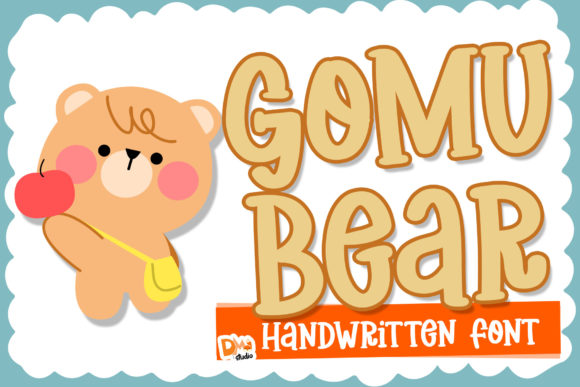
Gomu Bear is classified as a display font, which means it is designed primarily for large sizes rather than body text. The name itself suggests a connection to "gummy" textures or bear-like imagery, implying a design language that is rounded, soft, and approachable. Visually, these fonts typically feature irregular strokes, playful curves, and a hand-drawn quality that mimics illustration rather than rigid mechanical precision. The primary appeal of Gomu Bear lies in its ability to inject immediate character into a design. It does not attempt to be neutral; instead, it acts as a visual voice, communicating warmth and whimsy before the viewer even processes the semantic meaning of the words.
When evaluating Gomu Bear, it is important to understand its role within a typographic hierarchy. Display fonts like Gomu Bear are tools for emphasis. They are meant to capture attention quickly, serving as headlines, logos, or decorative elements. Their structure is often less concerned with long-term reading comfort and more focused on immediate visual impact. This distinction is crucial for designers who must balance creativity with functional clarity.
Ideal Use Cases and Applications
The versatility of Gomu Bear makes it suitable for a variety of specific design contexts. Its friendly nature aligns well with industries and projects that aim to reduce formality and increase engagement. Below are several scenarios where Gomu Bear proves to be a strong fit:
- Children’s Media and Education: In children’s games, educational apps, or book covers, readability must be paired with engagement. Gomu Bear’s playful shapes can help maintain the interest of young audiences while remaining distinct enough to be recognized as letters. The font’s "lovely touch" helps create an inviting atmosphere that encourages interaction.
- Creative Branding and Logos: For startups or small businesses in the toy, confectionery, or craft sectors, a logo needs to stand out. A standard sans-serif might blend into the background, whereas a display font like Gomu Bear can serve as the central visual identity. It allows brands to communicate their personality instantly.
- Social Media Graphics: Platforms like Instagram and Pinterest reward visually striking content. Headers for event flyers, party invitations, or promotional posts benefit from the unique character of Gomu Bear. It breaks the monotony of grid-based layouts and adds a human, handmade feel to digital spaces.
- Cartoon and Illustration Projects: When designing assets for cartoons or animated series, typography often needs to match the art style. If the illustrations are soft and organic, a geometric or stark font may clash. Gomu Bear complements such artistic styles by sharing similar visual weights and curvatures.
Benefits and Design Advantages
Selecting Gomu Bear offers several practical advantages for designers looking to enhance the emotional resonance of their work. First, it reduces the cognitive load required to interpret the tone of a message. In marketing and communication, tone is often established through visual cues. A font like Gomu Bear eliminates ambiguity; it signals playfulness and friendliness immediately, allowing the designer to focus on other aspects of the layout.
Secondly, it provides a sense of uniqueness. In a digital environment saturated with ubiquitous system fonts like Arial, Helvetica, or Roboto, using a distinctive display font can help a project feel bespoke and carefully curated. This differentiation is valuable in crowded markets where standing out is essential. The "fun" aspect of the font also fosters a positive emotional response from viewers, which can improve retention rates in advertising and increase engagement in interactive media.
Tradeoffs and Considerations
While Gomu Bear has clear strengths, it is not a universal solution. Every typographic choice involves tradeoffs, and understanding these limitations is key to making an informed decision. The most significant constraint of Gomu Bear is its lack of versatility across different text lengths. As a display font, it is generally unsuitable for body copy. Reading paragraphs of text set in a highly stylized, irregular font can cause eye strain and fatigue. Therefore, designers must pair Gomu Bear with a more neutral, readable typeface for supporting text. This pairing strategy requires additional planning but ensures that the final design remains accessible.
Another consideration is legibility at small sizes. Display fonts often rely on thick strokes and exaggerated details that can merge together when scaled down. If Gomu Bear is used for navigation menus, footers, or mobile interfaces where space is limited, it may become illegible. Designers should test the font rigorously at various resolutions and screen sizes to ensure it maintains its integrity. Additionally, overuse can lead to visual clutter. Because the font is so expressive, using it excessively can overwhelm the viewer, diluting the impact of the message. Restraint is often more effective than abundance in typographic design.
Evaluating Alternatives
Depending on the specific goals of a project, there may be alternatives worth considering. If the requirement is for a clean, modern look that still retains some personality, a rounded sans-serif might be a better choice. Fonts in this category offer a softer appearance than traditional geometric sans-serifs but remain more structured and readable than display fonts. They are often more versatile, working well in both headings and subheadings.
For projects requiring a more professional or corporate tone, Gomu Bear would likely be inappropriate. In such cases, serif fonts or clean grotesque sans-serifs would provide the necessary gravitas. Similarly, if the target audience includes individuals with visual impairments or dyslexia, the irregularity of Gomu Bear might pose challenges. In inclusive design contexts, predictable letterforms and consistent spacing are prioritized. Designers should always consult accessibility guidelines to ensure their typographic choices do not exclude users.
Practical Decision-Making Insights
To determine whether Gomu Bear aligns with your project’s needs, consider the following questions. What is the primary emotion you wish to evoke? If the goal is to create a sense of joy, nostalgia, or casual comfort, Gomu Bear is a strong candidate. How much text will be displayed? If the project is headline-heavy with minimal body text, the font’s display qualities will shine. If extensive reading is required, prioritize readability over novelty.
Furthermore, evaluate the overall brand ecosystem. Does the font complement existing visual elements, or does it clash? A successful design integrates typography harmoniously with color, imagery, and layout. Finally, consider the longevity of the design. Trends in typography shift rapidly. While Gomu Bear may feel current now, assess whether its style will remain relevant to your audience in the future. By weighing these factors, designers can make confident, strategic decisions that enhance both the aesthetic and functional quality of their work.