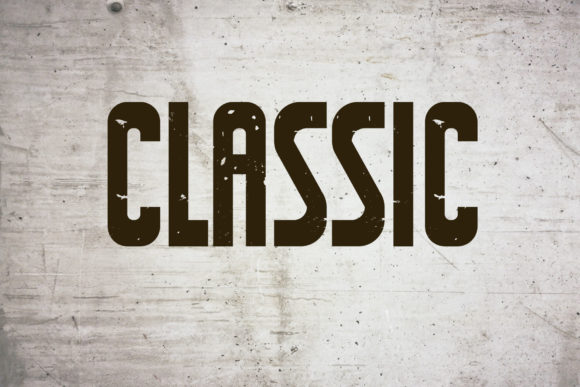
Classic: A Practical Evaluation of a Rugged Display Typeface
In the landscape of digital typography, finding a typeface that balances aesthetic impact with functional readability is often a challenge. Designers frequently struggle between overly ornate display fonts that sacrifice legibility and sterile sans-serifs that lack character. Classic emerges as a compelling solution in this middle ground. It is a cool, rough-textured, and neat display font designed to make a statement without overwhelming the viewer. For professionals ranging from graphic designers and marketers to small business owners and content creators, understanding the specific utility of such a tool is essential for effective visual communication.
This evaluation explores the practical applications, design characteristics, and strategic value of Classic. By examining its texture, structure, and versatility, we can determine where it fits best in modern design workflows and how it contributes to the overall success of print and digital assets.
Defining the Aesthetic: Cool, Rough, and Neat
The description of Classic as "cool, rough textured, and neat" might seem contradictory at first glance, but these elements work together to create a distinct visual identity. The term "cool" here refers not just to temperature or mood, but to a contemporary, understated sophistication. It avoids the pretentiousness sometimes associated with high-fashion serif fonts while retaining an air of professionalism.
The "rough texture" is the defining characteristic. Unlike clean, vector-perfect geometric fonts, Classic introduces subtle imperfections into the glyph shapes. This texture mimics the look of traditional letterpress printing, worn signage, or vintage posters. However, unlike many distressed fonts that become illegible due to excessive noise, Classic maintains a "neat" underlying structure. The kerning is consistent, the proportions are balanced, and the baseline remains stable. This ensures that while the font has personality, it does not compromise the fundamental requirement of typography: readability.
For designers, this balance is crucial. A font that is too polished can feel generic; one that is too messy can feel amateurish. Classic strikes a chord that feels authentic and tactile, which is increasingly valuable in a digital world that often feels flat and sterile.
Strengths in Print and Poster Design
While many fonts are optimized for screen reading, Classic is explicitly noted for its ability to look stunning on posters, flyers, and print materials. Its rough texture interacts well with physical media, adding depth and dimension that digital screens cannot fully replicate. When printed on textured paper, the ink settles into the grain, enhancing the font's inherent ruggedness and creating a premium feel.
Visual Hierarchy and Impact
In poster design, the primary goal is often to capture attention within seconds. Classic’s bold, textured strokes provide immediate visual weight. It commands space without shouting. This makes it ideal for:
- Event Posters: Music festivals, art exhibitions, and community events benefit from the energetic yet structured vibe of Classic.
- Product Packaging: Brands aiming for an artisanal, craft, or heritage aesthetic can use Classic to convey quality and tradition.
- Magazine Headers: Editorial layouts can use Classic for pull quotes or section headers to break up text-heavy pages and add visual interest.
The font’s ability to hold its own in large sizes is a significant strength. Many display fonts lose their character when scaled down, becoming muddy or indistinct. Classic retains its texture and clarity even at smaller sizes, allowing for flexibility in layout design.
Usability and Workflow Integration
For freelancers, agencies, and in-house design teams, usability is just as important as aesthetics. A font must be easy to work with, reliable across different software platforms, and versatile enough to handle various project types. Classic meets these criteria through its thoughtful design.
Consistency and Reliability
One common issue with textured fonts is inconsistency. Some glyphs may appear heavier or lighter than others, disrupting the flow of text. Classic addresses this by maintaining a uniform stroke weight and texture density across the entire character set. This consistency ensures that paragraphs of headline text look cohesive and professional.
Furthermore, the font includes a comprehensive range of weights and styles (if available in the specific family), allowing designers to create hierarchy without switching typefaces. Using a single font family for both headlines and subheads creates a unified visual language, which is a hallmark of strong brand identity.
Digital Adaptation
While Classic shines in print, its application in digital media should be approached with care. On low-resolution screens, the rough texture can sometimes cause aliasing or blurring. To mitigate this, designers should ensure that the font is rendered at sufficient resolutions and consider using anti-aliasing techniques in CSS or graphic design software. In web design, Classic is best used sparingly—for hero images, banners, or call-to-action buttons—rather than for body copy.
Who Benefits Most from Classic?
Understanding the target audience for a typeface helps in determining its value. Classic is particularly well-suited for specific groups within the creative and business communities.
- Graphic Designers and Art Directors: Those looking to add a touch of vintage charm or tactile realism to their projects will find Classic a valuable asset. It offers a quick way to elevate a design without requiring complex custom illustrations.
- Small Business Owners and Entrepreneurs: For brands in the food and beverage, apparel, or lifestyle sectors, Classic can help communicate authenticity and craftsmanship. It supports storytelling about heritage and quality.
- Marketers and Content Creators: Social media managers and bloggers can use Classic for featured images, quote graphics, and promotional materials. Its eye-catching nature helps content stand out in crowded feeds.
- Educators and Publishers: Educational materials that aim to engage older students or adults can use Classic for chapter titles and key concepts. The font’s seriousness combined with its approachable texture makes learning materials feel more inviting.
Potential Limitations and Considerations
No typeface is a universal solution, and Classic has its limitations. Its rough texture may not be appropriate for industries that prioritize cleanliness, precision, or minimalism. For example, medical, financial, or technology companies might find Classic too informal or distracting. In these contexts, a cleaner, more neutral typeface would better convey trust and stability.
Additionally, overuse of textured fonts can lead to visual fatigue. If every element in a design uses Classic, the result can be chaotic and hard to read. The font works best when used as a focal point, paired with simpler, more neutral typefaces for supporting text. This contrast allows Classic to shine while maintaining overall readability.
Long-Term Value and Strategic Fit
Investing in a typeface like Classic is not just about acquiring a font file; it is about gaining a versatile design tool that can enhance multiple projects over time. Its timeless aesthetic ensures that designs created with Classic will remain relevant for years, avoiding the pitfalls of trendy, short-lived typographic fads.
For businesses, having access to a high-quality, distinctive font like Classic can streamline the branding process. It reduces the need for custom logo design in some cases, or provides a strong foundation for brand extensions. The font’s ability to convey personality and quality can contribute to a stronger brand perception, which is invaluable in competitive markets.
Conclusion
Classic is more than just a decorative font; it is a strategic design element that brings texture, character, and professionalism to visual communications. Its unique combination of cool sophistication and rough authenticity makes it suitable for a wide range of applications, from print posters to digital marketing materials. While it requires thoughtful pairing and context to avoid visual clutter, its strengths in impact, readability, and versatility make it a worthwhile addition to any designer’s toolkit. For those seeking to add depth and distinction to their work, Classic offers a reliable and stylish solution.