Anticode: A Bold Display Font for High-Impact Design
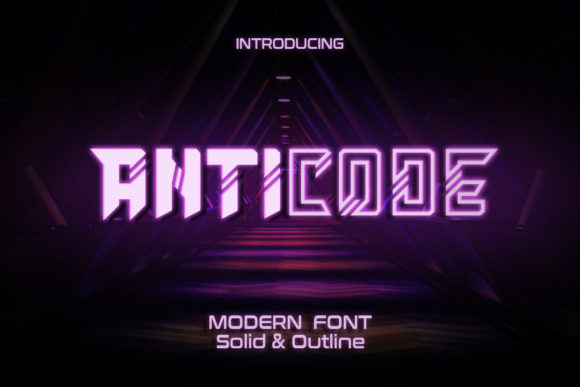
When you are scrolling through a website or flipping through a magazine, your eyes don’t just scan; they hunt. They look for anchors—visual cues that tell you where to stop and what matters most. In the world of typography, Anticode is one of those anchors. It isn’t a font designed for reading long paragraphs or subtle footnotes. It is a cool, bold, and thick lettered display font built to grab attention instantly.
If you are a designer, a small business owner, or a content creator trying to make your mark in a noisy digital landscape, understanding when and how to use a typeface like Anticode can be the difference between a design that blends in and one that stands out. This isn’t about finding the "best" font for every situation. It’s about knowing which tool fits the specific job at hand.
What Makes Anticode Different?
Before diving into where to use it, it helps to understand what makes this font tick. Anticode is characterized by its substantial weight and distinct personality. The letters are thick, confident, and undeniably present. Unlike delicate serif fonts that whisper elegance or clean sans-serifs that shout neutrality, Anticode has attitude.
The "cool" factor comes from its modern, slightly geometric structure. It feels contemporary without being overly sterile. The boldness ensures legibility even at smaller sizes or from a distance, making it highly functional for headlines. However, its thickness means it demands space. It doesn’t play well in crowded layouts. This limitation is actually its greatest strength because it forces designers to prioritize whitespace and hierarchy, resulting in cleaner, more impactful compositions.
Real-World Applications for Anticode
You wouldn’t wear a tuxedo to the gym, and you shouldn’t use a heavy display font for body text. The key to using Anticode effectively is matching its visual weight to the right context. Here is how different professionals are leveraging this font in practical scenarios.
Brand Identity and Logo Design
For entrepreneurs and branding specialists, the first impression is everything. When creating a logo or a brand identity system, you need a typeface that conveys stability and strength. Anticode works exceptionally well for startups in tech, fitness, automotive, or creative agencies. Its bold strokes suggest reliability and innovation.
Imagine a new energy drink company launching a campaign. A thin, script font might feel too fragile. Anticode provides the visual "muscle" needed to compete on a shelf or a social media feed. It signals that the brand is here to stay. For freelance graphic designers, offering clients a custom logotype based on such a distinctive font can add significant perceived value to their services.
Digital Marketing and Web Headers
In the fast-paced world of web design, users decide within seconds whether to stay or leave. Your hero section—the large banner at the top of a webpage—is prime real estate. Using Anticode for main headlines allows marketers to communicate the core value proposition immediately.
Consider a SaaS (Software as a Service) landing page. The headline needs to cut through the clutter of competing ads. A bold, thick font like Anticode ensures the message is read even if the user is browsing on a mobile device with a small screen. It pairs beautifully with minimalist backgrounds, letting the typography do the heavy lifting. Just ensure the contrast is high; black text on white, or white text on a dark, moody background, will maximize readability.
Print Media: Business Cards and Flyers
Don’t underestimate the power of tactile marketing. In an era of digital saturation, a well-designed physical item can linger in someone’s mind longer than an email. Anticode is ideal for business cards, especially for creatives who want to show off their design sensibility.
Instead of listing your name in a standard Arial, try setting your name in Anticode. Use a generous amount of negative space around it. The result is a card that feels premium and intentional. Similarly, for event flyers or concert posters, the font’s bold nature ensures that the date, time, and venue pop out from the graphics. It guides the viewer’s eye exactly where you want it to go.
Educational Materials and Presentations
Teachers, professors, and corporate trainers often struggle with slides that are either too boring or too chaotic. Using Anticode sparingly in presentations can revitalize your material. Reserve it for slide titles or key takeaways. Because the font is so strong, it commands attention without requiring loud colors or distracting animations.
For educators creating worksheets or certificates, Anticode adds a touch of formality and importance. It makes the document feel official and engaging. A student receiving a certificate with their name printed in a bold, distinctive font is likely to frame it, whereas a generic font might end up in a drawer.
Who Benefits Most from Anticode?
While anyone can download and use a font, certain groups will find Anticode particularly useful due to the nature of their work:
- Freelance Designers: Need versatile tools to offer diverse styles to clients. Anticode fills the gap between ultra-modern and classic bold.
- Social Media Managers: Constantly fighting for attention in crowded feeds. Large, bold text overlays perform well in Instagram stories and TikTok thumbnails.
- Small Business Owners: Often wearing multiple hats, including graphic design. A pre-made, high-quality font like Anticode saves time while ensuring professional results.
- Publishers and Bloggers: Looking to break up monotony in long-form content. Used for pull quotes or section headers, it adds visual rhythm to articles.
Practical Considerations Before You Use It
Using a bold display font is not just about aesthetics; it involves technical and strategic decisions. Here are a few things to keep in mind before applying Anticode to your next project.
Pairing is Crucial
Because Anticode is so dominant, it needs a partner that can handle the background work. Pairing it with a simple, lightweight sans-serif or a clean serif creates a balanced composition. Think of it as a conversation: Anticode is the speaker making the main point, while the paired font is the listener providing context. Avoid pairing it with other bold or decorative fonts, as this creates visual noise and confusion.
Readability and Accessibility
Always test your design for accessibility. While Anticode is bold, extremely thick letterforms can sometimes merge together, reducing legibility, especially at smaller sizes. Ensure there is enough tracking (letter spacing) and leading (line height) to prevent the text from feeling cramped. For web use, check how it renders across different browsers and devices. Some older systems may not render the thickest weights clearly.
Licensing and Usage Rights
Just because you found a font online doesn’t mean you can use it commercially. Always verify the license. Some fonts are free for personal use only, requiring a purchase for commercial projects like client work, merchandise, or paid advertisements. Ignoring licensing can lead to legal issues and fines. Reputable font marketplaces usually provide clear guidelines on usage rights, so always read the fine print.
Contextual Appropriateness
Finally, consider the tone of your message. Anticode is cool and bold, but it can also come across as aggressive or masculine depending on the industry. If you are designing for a luxury spa, a children’s toy store, or a traditional law firm, Anticode might clash with the desired brand voice. In these cases, a softer, more elegant font would be more appropriate. Always align your typography with the emotional response you want to evoke in your audience.
Conclusion
Anticode is more than just a set of characters; it is a design tool that brings energy and clarity to visual communication. Whether you are crafting a brand identity, designing a website header, or printing a business card, its bold presence can elevate your work. By understanding its strengths and respecting its limitations, you can use Anticode to create designs that are not only seen but remembered. In a world full of noise, sometimes the boldest voice wins.