Amron Font Evaluation
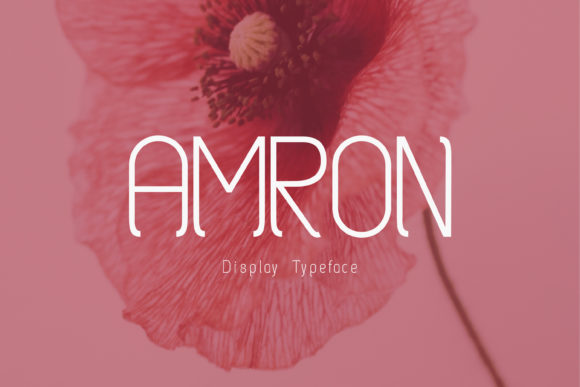
In the vast landscape of digital typography, selecting the right typeface is a critical decision that influences readability, brand perception, and overall user experience. Among the myriad of options available to designers and developers, Amron has emerged as a notable choice for projects requiring a distinct, clean aesthetic. Described as a thin, tall, and simply lettered display font, Amron offers a specific visual language that sets it apart from more conventional sans-serif or serif typefaces. This evaluation explores the characteristics, applications, benefits, and limitations of Amron to help you determine if it aligns with your design goals.
Understanding the Design Philosophy of Amron
To evaluate Amron effectively, one must first understand its structural DNA. The font is characterized by its thin weight and tall proportions. This vertical emphasis creates an elegant, elongated silhouette that commands attention without relying on heavy boldness. The "simple lettering" aspect refers to a minimalist approach to glyph construction, stripping away unnecessary ornamentation in favor of clarity and modernity.
This combination of attributes places Amron firmly within the category of display fonts. Unlike body text fonts designed for long-form reading at small sizes, display fonts are intended to be used at larger point sizes where their unique characteristics can be fully appreciated. The simplicity of Amron ensures that even at large scales, the letters remain legible and refined, avoiding the clutter that can sometimes plague overly decorative typefaces.
Primary Use Cases and Applications
Given its specific visual traits, Amron is not a universal solution but rather a specialized tool. Its strengths are best utilized in contexts where hierarchy, elegance, and minimalism are prioritized. Below are the primary scenarios where Amron proves to be a strong fit.
Web Design and Digital Interfaces
In web design, first impressions are crucial. Amron’s tall, thin structure makes it an excellent candidate for hero sections, headers, and navigation menus. Because it is a display font, it works well when scaled up to grab user attention. However, due to its thin weight, it may require careful consideration regarding contrast and background colors to ensure accessibility standards are met. It pairs exceptionally well with ample white space, allowing the letterforms to breathe and creating a sense of sophistication.
Business Cards and Print Collateral
For physical media such as business cards, stationery, or brochures, Amron offers a distinct touch that differentiates a brand from competitors. The font’s clean lines convey professionalism and modernity. When printed, the thin strokes can add a delicate, high-end feel to the material, particularly when used with high-quality paper stocks. It is ideal for names, titles, or short taglines where impact is needed without overwhelming the viewer.
Branding and Logo Design
Brands seeking a minimalist, contemporary identity often look to Amron for logo concepts. The simple lettering reduces cognitive load, making the brand mark memorable and easy to recognize. The tall proportion can also be manipulated creatively to suggest growth, stability, or aspiration, depending on how it is integrated into the broader logo system.
Benefits of Choosing Amron
Selecting Amron comes with several tangible advantages for designers and clients alike:
- Distinctive Aesthetic: In a sea of generic sans-serifs like Helvetica or Arial, Amron stands out due to its unique height-to-width ratio and light weight.
- Versatility in Display: While not suited for paragraphs, it excels in headlines, quotes, and short textual elements across various media.
- Modern Appeal: The simplicity of the letterforms aligns with current trends in minimalism and Swiss-style graphic design.
- Scalability: As a vector-based font, Amron maintains its crisp edges and clean lines regardless of size, provided it is used within its optimal range.
Tradeoffs and Considerations
No typeface is without its limitations. Understanding the tradeoffs of Amron is essential for making an informed decision.
Legibility at Small Sizes
The most significant drawback of Amron is its performance at small sizes. The thin strokes can become difficult to read when scaled down below 14px, especially on low-resolution screens. It is not recommended for body copy, footnotes, or dense informational text. Designers must pair Amron with a more robust, readable font for secondary text to maintain usability.
Accessibility Challenges
Due to its light weight, Amron may fail WCAG (Web Content Accessibility Guidelines) contrast requirements against certain backgrounds. Ensuring sufficient contrast between the text color and the background is mandatory to make content accessible to users with visual impairments. Dark mode implementations may require additional adjustments to maintain readability.
Limited Character Set Flexibility
As a display-focused font, Amron may lack the extensive ligatures, alternate glyphs, or multiple weights found in comprehensive professional type families. If your project requires dynamic typographic hierarchy using only one font family, Amron might be too restrictive compared to variable fonts or multi-weight sans-serifs.
Situations Where Alternatives May Be Preferable
While Amron is a strong contender for specific applications, other fonts may better serve different needs:
- For Body Text: If you need a single font for both headings and paragraphs, consider a versatile grotesque sans-serif like Inter, Roboto, or Open Sans, which offer multiple weights and superior readability at small sizes.
- For High-Contrast Branding: If your brand requires a bold, authoritative presence, a heavier weight sans-serif or a classic serif might be more appropriate than the delicate nature of Amron.
- For Technical Documentation: Fonts with clear distinctions between similar characters (like l, I, and 1) are crucial for code snippets or technical specs. Amron’s simplicity might obscure these distinctions, making fonts like Fira Code or Source Code Pro better choices for technical contexts.
Practical Decision-Making Insights
When evaluating whether to incorporate Amron into your project, consider the following questions:
- What is the primary medium? Is this for screen, print, or both? For print, test the thin lines to ensure they do not break during the printing process.
- Who is the target audience? Does the audience value modernity and minimalism, or do they prefer tradition and robustness?
- What is the information density? Will the text be sparse and impactful, or dense and informative? Amron suits the former.
- How will it pair? Plan for a complementary font for supporting text. A neutral, highly readable sans-serif often balances the elegance of Amron well.
Conclusion
Amron is a specialized tool in the designer’s arsenal, offering a thin, tall, and simple aesthetic that brings a clean, distinct touch to display work. It is ideal for web designs, business cards, and branding materials where elegance and minimalism are key. However, its limitations in small-size legibility and accessibility require careful implementation. By understanding these strengths and tradeoffs, you can decide if Amron is the right typographic voice for your next project. For projects demanding versatility and density, alternatives may be necessary, but for those seeking a refined, standout display presence, Amron remains a compelling option.