Mozaquen: Integrating Playful Typography into Professional Workflows
In the landscape of digital design and content creation, typography is rarely just about readability; it is a primary vehicle for tone, brand identity, and user engagement. For professionals ranging from freelance marketers to small business owners, selecting the right typeface is a critical decision that impacts the entire lifecycle of a project. Mozaquen emerges as a distinctive solution in this space, offering a unique blend of thick lettering and playful aesthetics that can elevate standard layouts into memorable experiences.
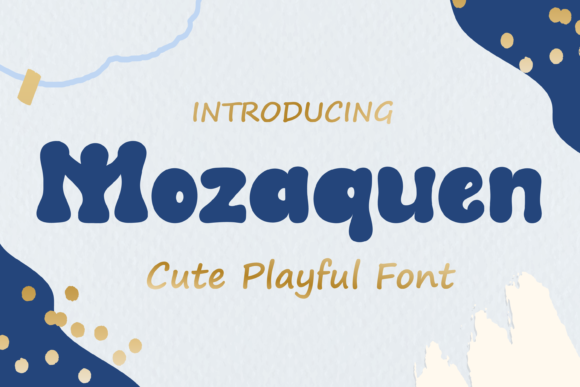
Unlike traditional serif or sans-serif fonts that prioritize neutrality, Mozaquen is designed to be seen. Its cute, rounded forms and substantial weight make it an ideal candidate for display purposes where immediate visual impact is required. However, integrating such a strong personality into a professional workflow requires more than simply dropping it onto a canvas. It demands a strategic approach to planning, implementation, and consistency to ensure that the font enhances rather than overwhelms the message.
Understanding the Role of Display Fonts in Modern Design
To effectively use Mozaquen, one must first understand its functional niche. In any creative process, fonts are generally categorized by their utility: body text for reading, UI elements for interface clarity, and display text for attention-grabbing headlines. Mozaquen firmly resides in the latter category. Its thick strokes and playful character mean it is not intended for long-form paragraphs. Instead, it serves as a hook—a visual anchor that draws the eye and sets the emotional context before the reader engages with the substantive content.
This distinction is vital for productivity-minded users who need to maintain a clear hierarchy in their designs. By reserving Mozaquen for titles, logos, posters, and social media graphics, creators can maintain a clean, readable structure for the rest of the document. This separation of duties allows for a more efficient workflow, where the heavy lifting of communication is shared between the engaging nature of the display font and the clarity of neutral supporting typefaces.
The Psychology of "Cute" and Thick Lettering
The specific aesthetic of Mozaquen—described as cute and thick—carries psychological weight. Rounded, bold letters often convey approachability, warmth, and stability. For educators, bloggers, and hobbyists creating content for younger audiences or community-focused groups, this font can instantly lower barriers to entry, making complex topics feel accessible and friendly. Conversely, for entrepreneurs in the lifestyle, food, or craft sectors, it signals creativity and human touch, distinguishing their brand from sterile corporate competitors.
However, this playfulness must be balanced with professionalism. The key lies in moderation. When used sparingly, Mozaquen acts as a spice that enhances the flavor of the dish without overpowering it. Overuse, however, can lead to visual fatigue, reducing the effectiveness of the message. Understanding this balance is part of the preparation phase of any design project.
Strategic Integration Across Project Lifecycles
Integrating Mozaquen into your work is not a one-time event but a recurring decision point within various workflows. Whether you are launching a new product, organizing a workshop, or updating a blog, the font can be utilized at different stages to achieve specific outcomes.
Pre-Production and Planning
Before any pixels are moved, the choice of typography should inform the mood board and style guide. During the planning phase, consider how Mozaquen interacts with other visual assets. Because of its high visual weight, it pairs best with minimalist backgrounds and simple imagery. If your project involves complex illustrations or busy photography, using Mozaquen might create clutter. In such cases, the workflow should involve simplifying the background elements to let the font breathe.
For freelancers and agencies, establishing a rule set early on prevents scope creep and revision cycles. Define exactly where Mozaquen will appear: perhaps only in H1 headers and call-to-action buttons. This consistency ensures that the final output feels cohesive, regardless of who executes the design.
During Execution and Creation
As you move into the execution phase, usability becomes paramount. Ensure that the font files are properly installed and backed up. Many designers lose time searching for missing fonts when switching devices or collaborating with teams. A robust asset management system is essential here.
When applying Mozaquen, pay close attention to kerning and tracking. Due to its thick letterforms, tight spacing can cause the letters to merge visually, creating muddy shapes that are difficult to read. Increasing the space between characters slightly can enhance legibility while maintaining the playful aesthetic. Additionally, consider color contrast. The boldness of the font allows it to stand out against lighter backgrounds, but dark backgrounds require careful selection of text colors to avoid vibration or eye strain.
Post-Production and Quality Control
After the design is complete, a quality control check focused on accessibility is crucial. While Mozaquen is visually striking, it may not meet all accessibility standards for low-vision users if used for body text. Always verify that the font size and contrast ratios comply with WCAG guidelines when the font is used for important information. Furthermore, test the design across different mediums. A headline that looks perfect on a desktop monitor might render differently on a mobile screen or in print. Adjusting line heights and margins during this phase ensures that the playful nature of the font translates well across all platforms.
Compatibility and Pairing Strategies
No font exists in isolation. The success of Mozaquen depends heavily on its relationship with companion typefaces. To maintain efficiency and consistency, it is helpful to have a go-to pairing strategy ready.
- Minimalist Sans-Serifs: Clean, geometric sans-serifs provide a stark contrast to the organic curves of Mozaquen. This juxtaposition highlights the uniqueness of both fonts. Use the sans-serif for body copy and navigation elements to ground the design.
- Handwritten Scripts: For projects requiring a personal touch, Mozaquen can pair with subtle handwritten scripts. However, care must be taken to ensure they do not compete for attention. Let Mozaquen be the voice, and the script be the signature.
- Neutral Serifs: In more formal contexts, such as educational materials, a classic serif can lend authority to the content while Mozaquen adds a welcoming front door. This combination works well for publishers and educators aiming to bridge tradition with modernity.
By pre-selecting these pairings, you reduce decision fatigue during the creative process. You know that Mozaquen will always find harmony with your chosen secondary font, allowing you to focus on layout and messaging rather than constant experimentation.
Long-Term Use and Brand Consistency
For businesses and creators building a long-term presence, consistency is the cornerstone of recognition. Mozaquen’s distinct look can become a significant part of your brand identity if used consistently. This means applying it to the same elements across different campaigns, websites, and marketing materials. Over time, the audience begins to associate the thick, playful letters with your specific voice or product line.
However, brands evolve. As your audience grows or your offerings expand, you may need to adapt. Regularly review your usage of Mozaquen to ensure it still aligns with your current goals. Is it still conveying the right tone? Is it aging well? Periodic audits of your design assets help maintain relevance and prevent the brand from feeling stagnant.
Practical Implementation Tips
To maximize the impact of Mozaquen in your daily work, consider these practical steps:
- Create Templates: Build preset templates in your design software that already include Mozaquen for headers. This speeds up production and enforces consistency.
- Limit Variations: Stick to one or two weights of the font. Using too many variations can dilute the brand’s visual impact.
- Use White Space: Give the font room to exist. Crowded designs diminish the effect of thick lettering.
- Test Legibility: Always shrink your designs to thumbnail size to see if the font remains recognizable. If it becomes a blur, it may be too detailed or dense for smaller applications.
Ultimately, Mozaquen is a tool for expression. By understanding its strengths and limitations, and by integrating it thoughtfully into your workflows, you can create designs that are not only beautiful but also effective. It invites you to step outside the box of conventional typography and add a touch of personality to every project. When used with intention, it transforms ordinary communications into engaging conversations, helping your ideas stand out in a crowded digital world.