The Art of Playful Typography: Why Funny Planet is the Ideal Choice for Engaging Visual Communication
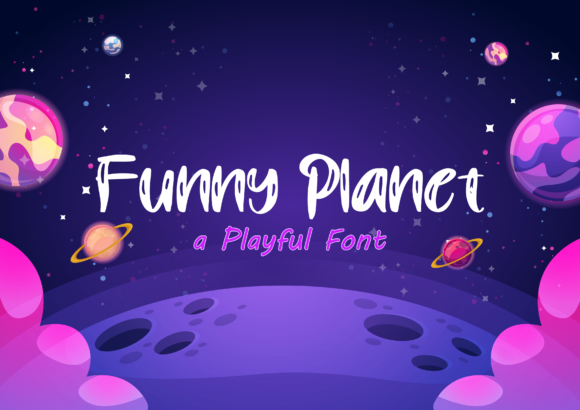
In an era where digital attention spans are shrinking and visual noise is at an all-time high, typography has evolved from a mere vehicle for text into a primary driver of emotional connection. Among the myriad of typefaces available to designers, educators, and content creators, Funny Planet stands out as a distinctive asset that bridges the gap between professional polish and approachable whimsy. This cute, playful, and bubbly display font embodies friendliness and authenticity, making it an exceptional tool for capturing interest without sacrificing readability or intent.
Understanding the power of personality in design requires looking beyond standard sans-serifs and serifs. Fonts carry subconscious weight; they tell the reader how to feel before a single word is fully processed. For projects ranging from children’s activity books to modern educational materials, the choice of typeface can determine whether a user engages with the content or scrolls past it. Funny Planet offers a unique solution for those seeking to inject joy, clarity, and a sense of community into their visual narratives.
Defining the Aesthetic: What Makes Funny Planet Unique?
To appreciate the utility of any font, one must first understand its structural DNA. Funny Planet is not just a decorative script or a rigid geometric shape; it is a carefully crafted display font characterized by its rounded edges, generous spacing, and organic flow. The term "bubbly" in typography often refers to letterforms that lack sharp corners, creating a soft, inviting silhouette. This design philosophy aligns perfectly with the goal of fostering a welcoming atmosphere.
The font’s inherent friendliness stems from its proportions. Unlike condensed fonts that force information together, Funny Planet allows characters to breathe. This openness reduces cognitive load, making it easier for the eye to scan text quickly. Furthermore, the authenticity of the design lies in its imperfections—it avoids the sterile perfection of vector-based corporate fonts, opting instead for a hand-crafted feel that resonates with human interaction. This balance makes it versatile enough for both lighthearted branding and serious educational contexts where comfort is key.
- Rounded Geometry: The absence of sharp angles creates a visually safe environment, reducing visual fatigue.
- High Legibility: Despite its playful nature, the distinct shapes of each character ensure clear communication.
- Emotional Resonance: The typeface naturally evokes feelings of curiosity, fun, and trust.
Primary Applications in Education and Child-Centric Projects
One of the most potent use cases for Funny Planet is in the realm of education and child development. When designing materials for young learners, the visual presentation is as critical as the pedagogical content. Children are drawn to visuals that mirror their own energetic and exploratory nature. A font that feels static or overly formal can create a barrier to engagement, whereas a typeface like Funny Planet acts as a visual handshake, inviting the child to participate.
Activity Sheets and Learning Materials
For teachers, homeschooling parents, and curriculum developers, creating engaging worksheets is a constant challenge. Textbooks often rely on dense paragraphs that can intimidate early readers. By utilizing Funny Planet for headings, instructions, and key vocabulary, educators can break up text blocks and highlight important concepts. The font’s clarity ensures that even emerging readers can decode words easily, while its playful aesthetic keeps the material feeling like a game rather than a chore.
Consider a science worksheet about the water cycle. Using Funny Planet for titles such as "Evaporation" or "Condensation" adds a layer of excitement. It suggests that learning about these natural phenomena is an adventure. This subtle shift in tone can significantly impact a student’s willingness to tackle complex topics. The font serves as a visual cue that the content is accessible and enjoyable.
School Projects and Classroom Decor
Beyond digital documents, Funny Planet excels in physical classroom environments. Bulletin boards, name tags, and project displays benefit greatly from the font’s high visibility. Its bold, bubbly forms stand out against busy backgrounds, ensuring that messages are seen and remembered. For school events, such as book fairs, science days, or art exhibitions, the font provides a cohesive visual identity that feels organized yet festive.
Educators often report that students respond positively to classrooms that feel personalized and warm. Incorporating a friendly typeface into daily communications—whether on permission slips, newsletter headers, or parent-teacher conference agendas—helps build a bridge between the institution and the family. It signals that the school values approachability and open communication.
Broader Commercial and Creative Use Cases
While its roots are strong in education, the versatility of Funny Planet extends far beyond the classroom. Modern marketing and creative industries are increasingly moving away from cold, corporate aesthetics toward brands that emphasize human connection and authenticity. In this context, Funny Planet becomes a strategic asset for businesses aiming to appear approachable and trustworthy.
Branding for Lifestyle and Family-Oriented Products
Brands in the toy, pet care, nursery decor, and family travel sectors often struggle to balance professionalism with playfulness. Too much whimsy can undermine credibility, while too much seriousness can alienate the target audience. Funny Planet offers a middle ground. It is polished enough for professional packaging but retains enough charm to appeal to consumers’ emotions.
Imagine a startup launching a line of organic snacks for kids. The packaging needs to catch the eye of a parent in a crowded supermarket. A headline using Funny Planet conveys quality and care simultaneously. It suggests that the product is made with love and attention to detail. This emotional alignment can drive purchasing decisions, as consumers increasingly seek out brands that reflect their values of health, happiness, and family well-being.
Digital Content and Social Media Graphics
In the fast-paced world of social media, graphics must communicate instantly. Platforms like Instagram, Pinterest, and TikTok are highly visual, and text overlays play a crucial role in stopping the scroll. Funny Planet’s distinct shape makes it ideal for short, punchy quotes, event announcements, or motivational posts. Its readability on small screens ensures that the message is consumed quickly, which is essential for retaining user attention in feed-based algorithms.
Content creators and influencers can use this font to establish a consistent brand voice across their platforms. Whether they are sharing parenting tips, DIY craft tutorials, or educational snippets, the font reinforces their identity as friendly experts who are easy to relate to. It helps build a community around the content, encouraging followers to engage and share.
Technical Considerations for Implementation
While the aesthetic benefits of Funny Planet are clear, successful implementation requires an understanding of technical best practices. Designers must consider hierarchy, contrast, and context to ensure the font performs optimally across different mediums.
Pairing with Complementary Typefaces
Using a display font exclusively for body text can lead to visual clutter and reading difficulties. To maximize impact, Funny Planet should be used for headlines, titles, and short phrases. Pairing it with a clean, neutral sans-serif for body copy creates a harmonious balance. The neutral font handles the heavy lifting of information delivery, while Funny Planet provides the emotional hook. This combination ensures that the design remains sophisticated while still being fun.
Color and Spacing Dynamics
The bubbly nature of Funny Planet interacts uniquely with color and whitespace. Because the letters have varying widths and rounded contours, adequate kerning (spacing between characters) is essential to prevent the text from appearing cramped or muddy. Generous line height also enhances readability, allowing the curves of the letters to stand out. When choosing colors, designers should opt for palettes that complement the font’s energy. Soft pastels can enhance the gentle aspect, while vibrant primaries can amplify the playful side, depending on the desired outcome.
The Future of Friendly Typography
As digital interfaces continue to evolve, the demand for human-centric design will only grow. Users are fatigued by impersonal, algorithmic-looking content. They crave authenticity and warmth in their digital interactions. Fonts like Funny Planet represent a shift toward typographic empathy—a design approach that prioritizes the user’s emotional experience.
This trend is evident in the rise of "friendly tech" and inclusive design principles. Companies are realizing that accessibility is not just about screen readers and contrast ratios; it is also about visual comfort. A typeface that reduces stress and promotes positive emotions contributes to a better overall user experience. As we move forward, the integration of such thoughtful design elements will become a standard expectation rather than a niche preference.
Conclusion
Selecting the right typeface is a decision that impacts every aspect of a project’s success. Funny Planet offers a compelling solution for anyone looking to infuse their work with friendliness, authenticity, and playfulness. Whether you are designing a kindergarten lesson plan, launching a family-focused brand, or creating engaging social media content, this font provides the visual tools necessary to connect with your audience on a deeper level.
By leveraging the unique characteristics of Funny Planet—its rounded geometry, high legibility, and emotional resonance—creators can transform ordinary text into an inviting experience. It reminds us that typography is not just about conveying information; it is about building relationships. In a world that often feels fragmented and distant, choosing a font that embodies connection is a powerful step toward creating more meaningful and effective communication.