Gabella: A Strategic Approach to Bold Display Typography
In the landscape of visual communication, typography is rarely just about readability; it is a primary driver of emotional response and brand positioning. For designers, marketers, and business owners seeking to establish immediate authority or create high-impact visual assets, selecting the right typeface is a critical decision. Gabella enters this space not as a subtle background element, but as a commanding presence. Defined by its rough texture and bold display characteristics, Gabella is engineered to grab attention. However, the power of such a distinctive font lies not merely in its aesthetic appeal, but in how strategically it is deployed to support broader business goals, planning structures, and long-term branding outcomes.
This article explores the practical applications of Gabella for entrepreneurs, creators, and professionals. It moves beyond simple aesthetic appreciation to examine how this specific typeface can influence perception, enhance communication clarity, and contribute to effective design decisions. By understanding the nuances of Gabella’s character, users can leverage it to achieve better results in posters, flyers, and digital print materials.
Understanding the Strategic Value of Rough Textures
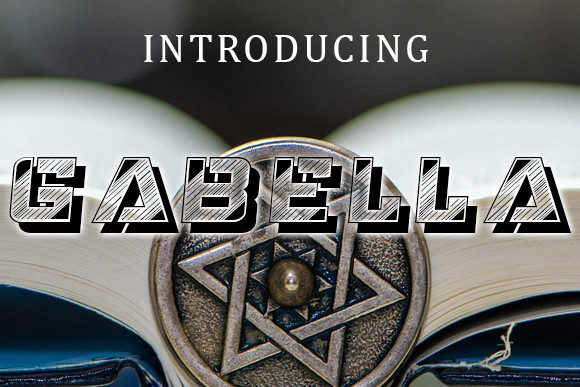
The visual language of a font communicates before a single word is read. Gabella’s rough, textured appearance evokes a sense of rawness, authenticity, and tactile strength. In an era where consumers are increasingly skeptical of polished, overly corporate aesthetics, this "imperfect" quality can be a strategic asset. It suggests substance, durability, and a hands-on approach—qualities that resonate well with brands focused on craftsmanship, rugged outdoor experiences, industrial design, or grassroots movements.
When integrating Gabella into a design project, consider the psychological impact of its texture. Unlike smooth, geometric sans-serifs that convey modernity and minimalism, Gabella conveys weight and history. This makes it particularly useful for:
- Establishing Authority: The bold nature of the font commands respect and signals confidence in the message being delivered.
- Creating Emotional Connection: The organic irregularities in the letterforms can make a brand feel more human and accessible, rather than cold or algorithmic.
- Differentiation: In a crowded market, a rough-textured display font stands out against the sea of clean, standard web fonts, helping a product or event stand out visually.
However, using a font with such strong personality requires intentionality. It is not a neutral tool; it is an active participant in the design narrative. Therefore, every use of Gabella should be aligned with the core values and tone of the brand or project.
Optimal Use Cases for Print and Digital Displays
Gabella is described as a display font, which means its primary function is to attract attention rather than facilitate long-form reading. Understanding this distinction is crucial for making sound design decisions. Misusing a display font for body text can lead to reader fatigue and poor user experience (UX). Instead, Gabella shines when used for headlines, titles, and short bursts of text where immediate impact is required.
Posters and Event Flyer Design
For event organizers and marketers, posters and flyers are often the first point of contact with potential attendees. The goal here is to stop the scroll or catch the eye from a distance. Gabella’s bold display style is ideally suited for this purpose. When designing a flyer for a music festival, a local workshop, or a product launch, using Gabella for the main headline ensures that the key information is impossible to miss.
To maximize effectiveness, pair Gabella with simpler, highly legible sans-serif fonts for secondary details like dates, times, and locations. This contrast creates a clear visual hierarchy. The bold texture of Gabella draws the eye in, while the neutral companion font guides the viewer through the necessary logistical information. This combination supports both creativity and functionality, ensuring that the design looks stunning without sacrificing usability.
Brand Identity and Logo Design
For small business owners and freelancers, establishing a memorable brand identity is essential. A logo that utilizes Gabella can instantly communicate a brand’s personality. Imagine a craft brewery, a construction firm, a vintage clothing store, or a fitness studio. In each of these contexts, the rough texture of Gabella aligns with themes of resilience, tradition, and physical effort.
When incorporating Gabella into a logo, consider the scalability of the texture. At smaller sizes, complex textures can sometimes blur or become muddy. Test the font at various scales to ensure that the rough edges remain distinct and do not lose their character. This attention to detail reflects professionalism and care, qualities that build trust with customers over time.
Planning and Positioning Through Typography
Effective design is rooted in planning. Before opening any design software, it is beneficial to define the objectives of the piece. What is the desired outcome? Is it to drive sales, increase awareness, or educate an audience? Gabella can be a powerful tool in achieving these goals, but only if it is positioned correctly within the overall strategy.
Consider the context of your message. If you are promoting a luxury item, Gabella might feel too aggressive or casual, potentially undermining the perceived value. Conversely, if you are launching a budget-friendly, high-energy product, the font’s boldness can reinforce the idea of accessibility and excitement. Thoughtful placement involves aligning the font’s inherent mood with the strategic intent of the campaign.
Furthermore, consider the competitive landscape. Analyze what fonts your competitors are using. If the industry standard is sleek and minimalist, introducing Gabella can be a deliberate act of differentiation. It signals that your brand operates differently, perhaps with more grit or innovation. This strategic use of typography can help carve out a unique niche in the market.
Risks and Considerations in Design Decisions
While Gabella offers significant advantages, relying on it without clear goals can lead to negative outcomes. The primary risk is visual clutter. Because the font has a heavy texture and bold presence, it competes for attention. Overusing it, or pairing it with other busy elements, can overwhelm the viewer and dilute the message.
Another consideration is accessibility. High-contrast, textured fonts can sometimes reduce readability for individuals with visual impairments or dyslexia. To mitigate this, ensure sufficient contrast between the text and the background. Avoid placing Gabella on busy images or patterns. Clean, solid backgrounds allow the font to breathe and maintain its impact without compromising legibility.
Additionally, be mindful of cultural connotations. Rough textures can sometimes be associated with decay or neglect if not handled carefully. Ensure that the overall design aesthetic reinforces the intended positive attributes, such as strength or authenticity, rather than implying disorder. Regular testing with target audiences can provide valuable feedback on whether the font choice resonates as intended.
Maximizing Creativity and Productivity
For educators, bloggers, and publishers, Gabella can enhance the presentation of educational materials or blog headers. Using it for chapter titles or section breaks can add visual interest to otherwise text-heavy content, keeping readers engaged. This subtle enhancement can improve learning outcomes by breaking up monotony and guiding the reader’s focus.
Similarly, freelancers and creative professionals can use Gabella to showcase their versatility. Demonstrating the ability to work with diverse typographic styles shows clients that you can adapt to different brand needs. This flexibility is a valuable skill in a competitive marketplace. By mastering the use of a font like Gabella, you expand your toolkit, allowing you to offer more comprehensive solutions to clients.
Productivity in design also comes from knowing when *not* to use a font. Recognizing the limitations of Gabella allows you to allocate your creative energy more effectively. Instead of forcing it into every design, reserve it for moments where its impact is most needed. This selective approach leads to more thoughtful, impactful designs that achieve better results with less effort.
Conclusion: Intentional Design for Long-Term Results
Gabella is more than just a rough-textured display font; it is a strategic design element capable of shaping perception and driving engagement. Its bold character makes it ideal for posters, flyers, and branding projects that require immediate attention and a strong voice. However, its true value is realized only when used intentionally.
By aligning Gabella with clear goals, considering the target audience, and maintaining a balance between aesthetics and functionality, designers and business owners can create materials that not only look stunning but also perform effectively. Whether you are an entrepreneur launching a new venture, a marketer planning a campaign, or a creator exploring new artistic directions, understanding the strategic potential of typography is key to success. Explore the possibilities of Gabella, but always ground your choices in practical considerations and long-term vision.