Breaking Rule: Strategic Typography for Bold Brand Positioning
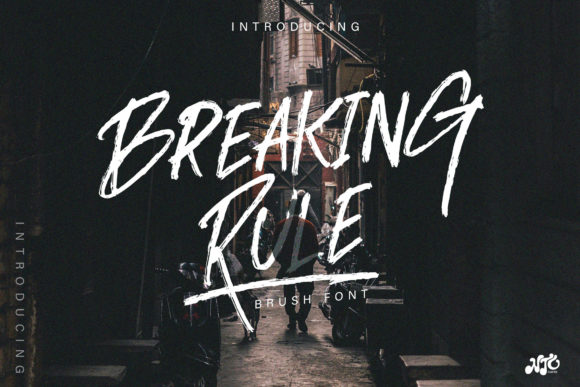
In the landscape of visual communication, few elements command attention as immediately as typography. For designers, brand strategists, and creative directors, selecting the right typeface is not merely an aesthetic choice; it is a strategic decision that influences perception, trust, and engagement. Among the diverse array of display fonts available, Breaking Rule stands out as a distinct tool for brands seeking to project energy, rebellion, and modernity. This cool and brushed display font, featuring a street art vibe, offers more than just visual flair. It provides a mechanism for communicating boldness in a saturated market.
Understanding how to deploy Breaking Rule effectively requires moving beyond surface-level aesthetics. It demands a consideration of context, audience psychology, and long-term brand identity. Whether you are launching a new sportswear line, rebranding a digital agency, or designing merchandise for a community-driven startup, the intentional use of this font can significantly impact your results. The following analysis explores the strategic value of Breaking Rule, offering practical guidance on when and how to leverage its unique characteristics.
The Strategic Value of Street Art Aesthetics
The "street art vibe" inherent in Breaking Rule is not accidental; it is a deliberate design language rooted in urban culture, spontaneity, and raw expression. In marketing and branding, these associations translate into specific consumer perceptions. When used correctly, the font signals authenticity, edge, and a departure from corporate sterility. For entrepreneurs and small business owners, particularly those in competitive sectors like fashion, fitness, or entertainment, this differentiation is crucial.
Consider the current consumer preference for transparency and personality over polished perfection. Brands that embrace imperfection often resonate more deeply with younger demographics, specifically adults aged 20–50 who value individuality. Breaking Rule captures this sentiment through its brushed, textured appearance. It mimics the look of paint applied quickly and confidently, suggesting a brand that is active, dynamic, and unafraid to stand out. However, this power comes with responsibility. The font must be deployed with clear intent to avoid appearing chaotic or unprofessional.
Alignment with Brand Goals
Before integrating Breaking Rule into your visual assets, it is essential to align the font’s personality with your core business objectives. Ask yourself:
- Is your brand positioning itself as disruptive? If you are challenging industry norms, the rebellious nature of this font supports that narrative.
- Who is your target audience? While broad, the demographic of 20–50-year-olds appreciates nuance. Does your audience respond to bold statements or subtle elegance? Breaking Rule leans heavily toward the former.
- What is the desired emotional response? Do you want customers to feel energized, intrigued, or defiant? The street art aesthetic naturally evokes these emotions.
By answering these questions, you move from random decoration to strategic design. The font becomes a vehicle for your message rather than just a decorative element.
Practical Applications and Use Cases
The versatility of Breaking Rule allows it to function across various mediums, but its impact is maximized when applied to specific formats. Below are key areas where this font delivers high value, along with strategic considerations for each.
Sportswear and Apparel Design
In the clothing industry, typography is often as important as the cut and fabric. Breaking Rule is exceptionally suitable for t-shirts, hoodies, and athletic wear. Its rugged, brushed texture complements materials like cotton, denim, and technical fabrics. For sportswear brands, the font conveys strength and movement. However, care must be taken with legibility. On curved surfaces or small print runs, ensure that the character spacing (kerning) remains tight enough to maintain cohesion but open enough to be readable. Using the font for short, impactful slogans rather than long paragraphs ensures maximum visual impact.
Logos and Brand Identity
Creating a logo with Breaking Rule can establish an immediate association with creativity and non-conformity. This is ideal for agencies, studios, and lifestyle brands. When designing a logo, focus on the balance between the font’s weight and negative space. Because the font has a "cool" and somewhat aggressive tone, it pairs well with minimalist backgrounds. Let the typography speak for itself. Avoid cluttering the logo with excessive graphical elements, as the font’s texture already provides significant visual interest. This approach supports a clean, memorable brand identity that scales well across digital and physical touchpoints.
Advertisements and Social Media Campaigns
In the fast-paced environment of social media, capturing attention within seconds is vital. Breaking Rule serves as an excellent headline font for advertisements, banners, and post graphics. Its street art vibe grabs the eye amidst a feed of polished, corporate content. For marketers, this means higher click-through rates if the visual hook is strong. Pair the font with high-contrast colors—such as neon against dark backgrounds or stark black and white—to enhance visibility. Remember that while the font is striking, the call-to-action (CTA) should remain clear and accessible. Use Breaking Rule for the hook, and a neutral sans-serif for the instructions.
Event Posters and Merchandise
For educators, bloggers, and event organizers, Breaking Rule adds excitement to posters, flyers, and limited-edition merchandise. It suggests that an event is exclusive, energetic, and worth attending. When designing promotional materials, treat the font as the centerpiece. Ensure that the background does not compete with the text’s texture. Solid colors or subtle gradients work best to let the brushed details of the letters shine.
Decision-Making Guidance: Risks and Mitigation
While Breaking Rule is a powerful tool, its misuse can lead to negative outcomes. Understanding the risks is part of making better decisions. The primary danger lies in overuse or inappropriate context. Because the font has such a strong personality, it can overwhelm other design elements or make a brand appear unprofessional if applied to formal communications.
When to Avoid Breaking Rule
There are scenarios where this font may hinder your goals:
- Formal Corporate Communications: Annual reports, legal documents, or serious financial presentations require clarity and neutrality. Breaking Rule introduces too much noise and informality for these contexts.
- Body Text: Due to its display nature and textured edges, this font is difficult to read in long passages. Using it for paragraphs reduces accessibility and user experience, which can negatively impact SEO and reader retention.
- Subtle Luxury Markets: Brands aiming for understated elegance or heritage prestige may find the street art vibe clashes with their values. In such cases, serif or refined sans-serif fonts are more appropriate.
Mitigation Strategies
To mitigate these risks, adopt a hybrid typographic approach. Pair Breaking Rule with a clean, highly legible font for secondary information. For example, use Breaking Rule for headlines and logos, and a simple sans-serif like Helvetica or Arial for body copy and details. This combination balances boldness with readability, ensuring that your message is both eye-catching and accessible. Additionally, always test your designs in grayscale to ensure that the contrast holds up without relying solely on color.
Long-Term Results and Brand Consistency
Successful branding is not about isolated moments of creativity; it is about consistent execution over time. Integrating Breaking Rule into your brand guidelines helps maintain consistency. Define clear rules for its usage: specify minimum sizes, acceptable color combinations, and pairing fonts. This structured approach prevents ad-hoc decisions that could dilute your brand identity.
For freelancers and creators, using Breaking Rule strategically can also differentiate your portfolio. It demonstrates an ability to handle complex typographic challenges and understand the nuances of visual hierarchy. Clients value practitioners who can explain *why* a design choice works, not just *how* it looks. By articulating the strategic reasoning behind your use of Breaking Rule, you position yourself as a thoughtful advisor rather than just a service provider.
Evaluating Performance
Finally, measure the impact of your typographic choices. Monitor engagement metrics on campaigns that feature Breaking Rule. Are users interacting more with visuals that use this font? Is there a correlation between the bold aesthetic and conversion rates? Data-driven insights allow you to refine your approach, ensuring that every design decision contributes to your broader business goals. Regularly revisit your brand strategy to ensure that Breaking Rule still aligns with your evolving mission and audience expectations.
In conclusion, Breaking Rule is more than a cool, brushed display font; it is a strategic asset for brands willing to embrace boldness and authenticity. By understanding its strengths, respecting its limitations, and applying it with intention, you can create designs that not only look great but also drive meaningful results. Whether you are designing t-shirts, crafting a logo, or planning a marketing campaign, let the street art vibe of Breaking Rule guide you toward communication that is clear, compelling, and unforgettable.