Chalkzone: Strategic Typography for Authentic Educational and Creative Branding
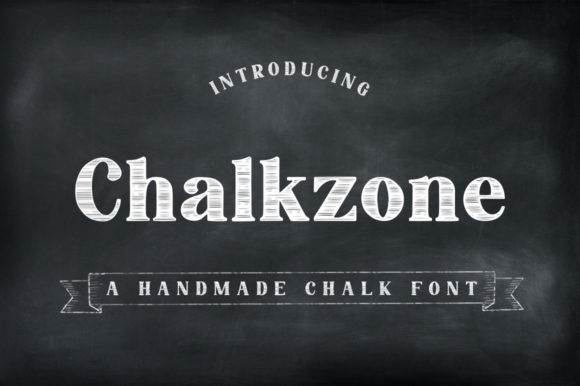
In a digital landscape saturated with polished, vector-perfect sans-serifs and rigid geometric fonts, there is a growing strategic advantage to embracing imperfection. For educators, marketers, and creative professionals seeking to establish an immediate sense of authenticity, Chalkzone offers a distinct typographic solution. This font is not merely a decorative choice; it is a functional tool designed to replicate the tactile experience of chalk on slate. By leveraging its authentic look, designers can add a personal and realistic feel to their projects, bridging the gap between digital content and physical interaction.
The decision to incorporate a display font like Chalkzone into your workflow requires more than aesthetic preference. It demands an understanding of context, audience psychology, and long-term brand consistency. When used intentionally, this typeface can enhance communication clarity, foster engagement, and reinforce positioning in competitive markets. However, misapplication can lead to readability issues and diluted brand messaging. This analysis explores how to strategically deploy Chalkzone to achieve better results in teaching materials, marketing collateral, and creative displays.
Understanding the Strategic Value of Authenticity
Modern consumers and learners are increasingly skeptical of overly produced, corporate imagery. They respond more favorably to content that feels human, accessible, and grounded. Chalkzone capitalizes on this psychological shift by evoking the nostalgia and trust associated with traditional classrooms, workshops, and handwritten notes. The font’s variable stroke width and slight irregularities mimic the natural pressure and texture of real chalk, creating an immediate visual connection to learning and creativity.
For entrepreneurs and small business owners, this authenticity serves as a powerful differentiator. In a market where every brand claims to be "innovative" or "personal," demonstrating these traits through design choices is far more convincing than stating them. Using Chalkzone for signage, social media graphics, or educational handouts signals approachability. It suggests that the content within is crafted with care rather than generated by automation. This subtle cue can improve customer experience by reducing perceived barriers to entry, making complex topics or new products feel less intimidating.
Furthermore, the adaptability of Chalkzone allows it to function across various mediums without losing its core identity. Whether displayed on a high-resolution website header or printed on matte paper for a workshop kit, the font maintains its legibility and character. This versatility is crucial for professionals who need to maintain consistent branding across diverse platforms while adapting to specific contextual needs.
Optimal Use Cases for Chalkzone
To maximize the impact of Chalkzone, it is essential to identify scenarios where its characteristics align with communication goals. The font excels in environments that prioritize engagement over dense information transfer. Below are key areas where strategic application yields the best outcomes.
- Educational Materials: For teachers and instructional designers, Chalkzone is ideal for slide decks, worksheets, and classroom posters. Its resemblance to actual blackboard writing helps students mentally transition into a learning mode. It reduces cognitive load by providing familiar visual cues associated with structured education.
- Marketing and Promotional Graphics: Small businesses, cafes, and local events often use chalkboards for daily specials or announcements. Digital equivalents using Chalkzone can replicate this charm for social media stories, email headers, and event flyers. This creates a cohesive omnichannel presence that feels both modern and timeless.
- Creative Project Headers: Bloggers, publishers, and hobbyists can use Chalkzone for titles, pull quotes, or section dividers. It adds visual hierarchy without the heaviness of bold serif fonts. The font’s neat yet informal nature keeps designs looking organized while retaining a creative spark.
- Workshop and Event Signage: For freelancers and consultants leading workshops, Chalkzone provides a professional yet inviting backdrop for agendas, names, and key takeaways. It reinforces the idea of collaborative learning and active participation.
Enhancing Planning and Positioning Through Design
Typography is a silent communicator of intent. When planning a campaign or curriculum, selecting Chalkzone should be part of a broader strategy to position your message. If your goal is to simplify complex ideas, the hand-drawn quality of Chalkzone can make technical subjects appear more manageable. For instance, a financial advisor might use Chalkzone for infographics explaining budgeting basics, framing the topic as a learnable skill rather than a dry obligation.
Similarly, in product launches, using Chalkzone for teaser campaigns can build anticipation by suggesting craftsmanship and attention to detail. It positions the brand as one that values the process, not just the outcome. This alignment between visual style and brand values strengthens long-term loyalty, as audiences appreciate consistency in how a brand presents itself.
Implementation Guidelines and Best Practices
While Chalkzone is adaptable, it is fundamentally a display font. This means it is designed for headlines, short phrases, and emphasis rather than body text. To avoid common pitfalls, practitioners must adhere to specific implementation guidelines that prioritize readability and aesthetic balance.
- Maintain Adequate Sizing: Due to the textured nature of the letterforms, Chalkzone requires larger point sizes to remain legible. Avoid shrinking the font below 24pt for digital screens or 12pt for print unless absolutely necessary. Smaller sizes can cause the chalk-like details to blur, resulting in a muddy appearance that hinders comprehension.
- Ensure High Contrast: The effectiveness of Chalkzone relies heavily on contrast. It performs best against dark backgrounds (simulating a blackboard) or light backgrounds (simulating a whiteboard). Ensure that the background color does not compete with the font’s intricate details. Low-contrast combinations, such as gray text on a beige background, will render the font unreadable and unprofessional.
- Limit Usage Frequency: Overusing Chalkzone can lead to visual fatigue. Reserve it for primary headings, key messages, or decorative elements. Pair it with clean, neutral sans-serif fonts for body copy to create a balanced typographic hierarchy. This combination allows the personality of Chalkzone to shine without overwhelming the reader.
- Consider Accessibility: While Chalkzone has an authentic look, it may pose challenges for users with visual impairments or dyslexia. Always test your designs for accessibility. Provide alternative text descriptions for digital images containing Chalkzone text, and ensure that critical information is also available in a more standard font format if possible.
Risks of Misapplication
Strategic decision-making involves recognizing when a tool is inappropriate. One of the primary risks of using Chalkzone is the dilution of authority. Because the font evokes casual, informal settings, it may undermine credibility in contexts requiring strict professionalism. For example, using Chalkzone in legal contracts, medical reports, or formal financial statements would be counterproductive. It introduces an unintended tone of informality that can erode trust.
Another risk is the loss of clarity in data-heavy presentations. If you are displaying complex charts, statistics, or dense paragraphs, Chalkzone will distract from the content. The eye is naturally drawn to the unique shapes of the letters, which can divert attention from the actual message. In such cases, prioritize clarity over character by choosing a more neutral typeface.
Additionally, relying too heavily on the "authentic" look without genuine substance can backfire. Audiences are adept at detecting inauthenticity. If your content lacks depth or value, no amount of clever typography will compensate for it. Chalkzone should enhance meaningful content, not mask poor planning or empty promises.
Long-Term Results and Brand Consistency
Integrating Chalkzone into your design system contributes to long-term brand equity when done consistently. Establish clear guidelines for when and how the font is used. Define its role in your brand voice—is it a playful accent, a primary educational tool, or a nostalgic nod? Documenting these decisions ensures that all team members, freelancers, and agencies apply the font correctly, maintaining a unified brand image.
Consistency builds recognition. Over time, audiences will associate the distinctive look of Chalkzone with your brand’s commitment to creativity, education, and authenticity. This association can become a valuable asset, differentiating your offerings in crowded markets. Whether you are a blogger sharing personal insights or a corporation launching an internal training program, the strategic use of Chalkzone can support your goals by reinforcing your unique value proposition.
Conclusion on Intentional Design
Chalkzone is more than a font; it is a strategic instrument for conveying authenticity and approachability. By understanding its strengths, limitations, and optimal use cases, professionals can leverage it to improve communication, engage audiences, and strengthen brand positioning. The key lies in intentionality. Use Chalkzone to serve your goals, not just to fill space. When paired with clear objectives, thoughtful planning, and respect for readability, this versatile display font can deliver significant value across educational, marketing, and creative endeavors. Make informed decisions about your typography, and let your design choices work harder to achieve better results.