Stanley Moon: Injecting Playfulness into Your Creative Projects
When you are looking for a typeface that doesn’t just sit quietly on the page but actually wants to interact with the viewer, finding the right tool can feel like searching for a needle in a haystack. Most fonts aim for neutrality, striving to be invisible so the message takes center stage. But sometimes, the message *is* the fun. This is where Stanley Moon steps in. It isn’t just another display font; it is a personality-driven design asset that brings a distinct sense of whimsy and warmth to any project.
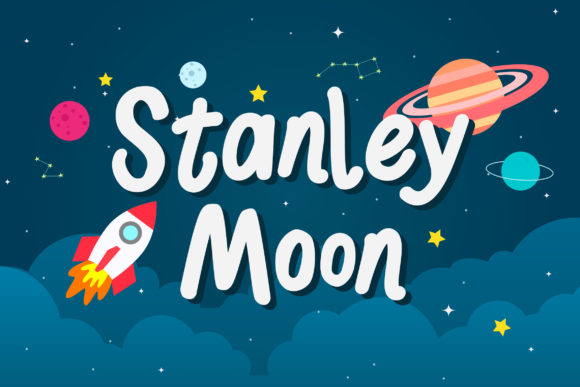
Stanley Moon is a playful and fun display font designed to capture attention through its unique character shapes and energetic rhythm. Whether you are working on cartoon-related designs, developing assets for children’s games, or simply adding a lovely touch to a personal blog, this font offers an immediate boost in charm. It bridges the gap between professional polish and approachable friendliness, making it a versatile choice for creators who want their typography to speak with a smile.
The Versatility of Whimsy in Modern Design
One of the most common misconceptions about "fun" fonts is that they are limited to specific niches like birthday invitations or toddler toys. While Stanley Moon excels in those areas, its application extends far beyond them. In today’s digital landscape, brands are constantly trying to humanize their presence. A stiff, corporate sans-serif can feel cold, while overly ornate scripts can feel pretentious. Stanley Moon hits a sweet spot—it is informal enough to be inviting but structured enough to remain legible and respectful of the content.
Consider the world of independent game development. Indie developers often rely heavily on visual identity to stand out in crowded marketplaces. Using Stanley Moon for a title screen or a menu interface can instantly signal to the player that the experience will be lighthearted, engaging, and perhaps a bit quirky. The font’s playful nature sets expectations before the user even clicks "start." It suggests that mistakes are part of the fun and that the journey will be entertaining rather than stressful.
Similarly, in the realm of educational materials, engagement is key. Teachers and content creators designing worksheets, flashcards, or interactive learning modules know that visual appeal directly impacts retention. A dry textbook layout can intimidate young learners. By incorporating Stanley Moon for headings, key terms, or encouraging phrases, educators can create a more supportive and less intimidating atmosphere. The font acts as a visual cue that learning here is enjoyable, helping to lower anxiety and increase focus.
Illustration and Branding: Where Personality Meets Product
If you are a graphic designer or illustrator, your choice of typography is often the final brushstroke that completes the composition. Stanley Moon pairs exceptionally well with hand-drawn elements, watercolor textures, and bold, flat colors. Its organic feel complements illustrations that lack rigid geometric precision, creating a cohesive visual language.
- Merchandise Design: For t-shirts, mugs, and stickers, text needs to be readable from a distance while still conveying style. Stanley Moon’s rounded edges and varied stroke widths make it highly legible even when scaled up or down, ensuring your slogan stands out without shouting aggressively.
- Packaging for Consumer Goods: Think about products aimed at families or pet owners. A snack brand targeting kids or a toy company launching a new line can use Stanley Moon to convey trustworthiness mixed with excitement. It feels safe yet adventurous, which is exactly what parents look for when buying for their children.
- Digital Marketing Assets: Social media posts often compete for attention in a split second. A headline using Stanley Moon can stop the scroll. Its distinctive shape breaks the monotony of standard Arial or Helvetica feeds, drawing the eye naturally to the core message of the advertisement or promotional post.
Navigating Practical Considerations
While Stanley Moon is a fantastic addition to many design toolkits, it is not a one-size-fits-all solution. Understanding its strengths and limitations is crucial for effective usage. Because it is a display font, it is best suited for headlines, titles, logos, and short bursts of text. Using it for long paragraphs of body copy can lead to reader fatigue. The playful characters, while charming in moderation, can become distracting and difficult to parse over extended reading sessions.
Another important consideration is context. The tone set by Stanley Moon is undeniably upbeat and casual. If you are designing for a law firm, a financial institution, or a medical facility, this font may undermine the authority and seriousness required by those industries. However, even within these sectors, there might be niche applications—such as a newsletter for a pediatric clinic or a community outreach program—that could benefit from its softer touch. Always ask yourself: does the mood of the font match the intent of the message?
Likewise, pairing Stanley Moon with other typefaces requires care. Since it has such a strong personality, it works best when paired with neutral, simple sans-serifs or clean serifs that allow it to shine without competition. Avoid pairing it with other decorative or script fonts, as this can create visual clutter and confuse the hierarchy of information. Let Stanley Moon be the star of the show, and let supporting fonts play the role of reliable background actors.
Real-World Applications for Everyday Creators
You don’t need to be a professional agency to leverage the power of Stanley Moon. Everyday creators, bloggers, and small business owners can significantly enhance their projects with this font. Imagine writing a personal recipe blog. Standard fonts work fine, but using Stanley Moon for the names of dishes or section headers adds a homemade, cozy feel that aligns perfectly with the content. It makes the reader feel like they are sitting at a kitchen table with a friend.
Event planners also find value in this typeface. Invitations for baby showers, gender reveals, or themed parties require a specific aesthetic. Stanley Moon provides that aesthetic effortlessly. It conveys celebration and joy without needing additional graphics or embellishments. This simplicity allows designers to focus on color palettes and layout rather than struggling to find a font that fits the theme.
In the realm of personal branding, especially for creatives like photographers, artists, and crafters, your typography is part of your signature. Consistently using a font like Stanley Moon across your website, social media profiles, and business cards creates a recognizable brand identity. Clients begin to associate that playful, lovely touch with your work, building a subconscious connection that says your services are friendly, accessible, and creative.
Final Thoughts on Choosing the Right Tone
Selecting a font is ultimately about selecting a voice. Stanley Moon offers a voice that is cheerful, confident, and unapologetically fun. It is perfect for projects that want to break the ice, spark joy, or invite interaction. By understanding where this font shines—whether in gaming, education, branding, or personal projects—you can make informed decisions that elevate your design work.
As you explore your next creative endeavor, keep Stanley Moon in mind. Test it against your existing layouts. See how it interacts with your images and color schemes. You might find that the "lovely touch" it provides is exactly the missing piece your project needed. In a world of digital noise, standing out with genuine playfulness is not just a design choice; it’s a strategy for connection.