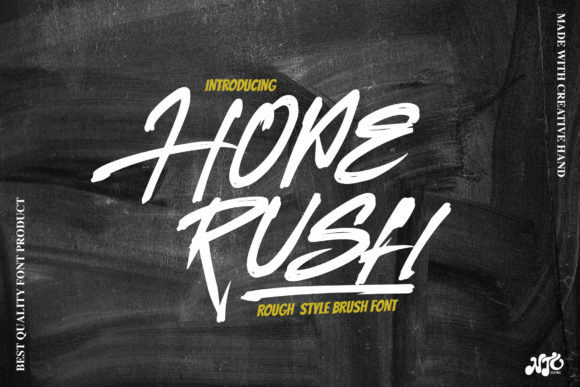
Hoperush: Injecting Street Art Energy Into Your Brand Identity
In a digital landscape saturated with clean, minimalist sans-serif fonts and rigid corporate grids, standing out requires more than just good content. It demands visual disruption. This is where Hoperush steps in. As a cool display font that features a street art vibe, it brings an immediate sense of attitude, movement, and urban authenticity to any project. For designers, marketers, and small business owners looking to break through the noise, Hoperush offers a distinct personality that feels raw yet polished, rebellious yet professional.
This isn't just another decorative typeface. It is a strategic design asset built for impact. Whether you are crafting a logo for a sportswear brand, designing eye-catching social media graphics, or putting together packaging for a limited-edition clothing drop, Hoperush provides the visual weight and character needed to command attention. Let’s explore how this creative font can elevate your work from ordinary to unforgettable.
The Visual Personality of Hoperush
Understanding the soul of a typeface is crucial before dropping it into a layout. Hoperush is defined by its dynamic structure. It captures the essence of graffiti culture and urban sketching but refines it into a usable, legible format for modern design. The letters often feature irregular edges, slight distortions, and a hand-drawn quality that suggests human touch rather than machine precision. This "handwritten font" aesthetic creates an instant connection with the viewer, making the text feel personal and urgent.
Visually, Hoperush operates as a heavy-weight display font. Its bold strokes ensure high visibility even at smaller sizes, while its unique letterforms prevent it from blending into the background. Unlike traditional serif font styles that convey heritage and stability, or standard sans serif font options that scream neutrality, Hoperush sits firmly in the realm of expression. It communicates energy, youthfulness, and confidence. When you use Hoperush, you aren’t just delivering information; you are setting a mood. It works particularly well when paired with gritty textures, neon colors, or high-contrast photography, amplifying the overall street art vibe.
Where Hoperush Shines: Real-World Applications
One of the biggest mistakes designers make is using a display font everywhere. While Hoperush is versatile, it has specific strengths that make it ideal for certain applications over others. Here is where this premium font truly excels:
- Logo Design and Brand Identity: For brands in the fitness, skate, music, or fashion industries, Hoperush can serve as a powerful logotype. Its distinctive shape ensures high recognition, helping businesses build a memorable brand identity without relying on complex icons.
- Sportswear and Apparel Graphics: T-shirt designs often require typography that pops against fabric textures. Hoperush’s rugged edges mimic the wear and tear of street culture, making it perfect for graphic tees, hoodies, and athletic branding. It adds a layer of authenticity that clean fonts sometimes lack.
- Packaging Design: In a crowded retail environment, shelf appeal is everything. Using Hoperush for product names or promotional tags can create a sense of exclusivity and edginess. It works exceptionally well for craft beverages, sneaker drops, or limited-run merchandise.
- Social Media Graphics and Advertisements: On platforms like Instagram or TikTok, users scroll rapidly. A headline set in Hoperush stops the thumb because it looks different from the standard feed. It is an excellent choice for event posters, concert flyers, and promotional banners where immediate engagement is key.
- Editorial Design and Blog Headers: For bloggers and publishers covering lifestyle, travel, or youth culture, Hoperush can be used for section headers or pull quotes. It breaks up long-form text and adds visual interest, guiding the reader’s eye through the article.
Strategic Typography: Readability and Hierarchy
Using a creative font like Hoperush requires a balance between style and function. Because it is a display font, it is not intended for body copy. Attempting to read paragraphs of text in Hoperush will fatigue the reader and hurt accessibility. Instead, treat it as a headline tool. Use it to establish visual hierarchy, drawing the audience to the most important message first.
When incorporating Hoperush into your projects, consider how it influences brand perception. It signals that a brand is bold, approachable, and contemporary. However, if overused, it can appear chaotic. The key is restraint. Pair Hoperush with simpler, neutral typefaces to let it shine. For example, combining Hoperush with a clean sans serif font for body text creates a striking contrast. The boldness of Hoperush grabs attention, while the simplicity of the supporting font ensures readability. This technique is common in modern typography trends, where mixing weights and styles adds depth to the design.
Another consideration is color and context. Hoperush performs best against solid backgrounds or textured images that don’t compete with its intricate details. Avoid placing it over busy photographs unless you use overlays or shadows to separate the text. By managing these variables, you maintain professionalism while still leveraging the font's energetic appeal.
Practical Guidance for Implementation
If you decide to integrate Hoperush into your workflow, here are some practical steps to ensure success:
- Evaluate Project Fit: Ask yourself if the project’s tone matches the font’s personality. Is it playful? Edgy? Modern? If your brand is strictly corporate or legal, Hoperush may clash with your desired image. Reserve it for creative campaigns, personal brands, or industries that value non-conformity.
- Test Font Pairings: Before finalizing a design, test Hoperush with various companion fonts. Look for high contrast. A geometric sans serif or a classic serif can ground the wildness of Hoperush. Experiment with scale—make the Hoperush text significantly larger than the supporting text to emphasize hierarchy.
- Review Included Styles: Check the license and file contents. Does Hoperush come in multiple weights or variations? Having access to italic or condensed versions can provide flexibility for tight layouts. Even if it is a single-weight font, playing with tracking (letter spacing) can alter its feel.
- Consider Commercial Licensing: Ensure you have the proper rights to use Hoperush for your intended purpose. Whether you are creating assets for a client or selling products with the font embedded, understanding commercial licensing protects your business. Many premium fonts offer different tiers for web, print, and merchandise use.
- Maintain Consistency: Once you choose Hoperush as part of your brand palette, stick with it. Consistent use builds recognition. Don’t swap it out for a generic Arial or Times New Roman in subsequent materials. Let the font become synonymous with your brand’s voice.
Ultimately, Hoperush is more than just a collection of glyphs; it is a tool for storytelling. It allows designers and entrepreneurs to inject life and personality into their work. By respecting its limitations and leveraging its strengths, you can create designs that resonate deeply with audiences aged 20–50 who crave authenticity and visual excitement. In a world of uniform digital experiences, giving your brand a bit of street-smart edge might just be the competitive advantage you need.