Chunky: Bold Typography for Impactful Design
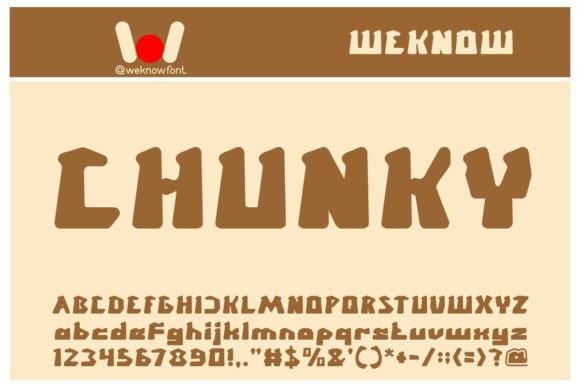
In a digital landscape saturated with thin, minimalist sans-serifs and delicate serif accents, Chunky stands out as a declaration of presence. It is not merely a font; it is a visual anchor. With its uniquely shaped characters and modern, heavy-weight aesthetic, Chunky demands attention without shouting. For creators, designers, and marketers looking to break through the noise, this typeface offers a unique opportunity to inject personality, weight, and clarity into any project.
The appeal of Chunky lies in its balance. It avoids the rigid stiffness of traditional block letters while maintaining a structural integrity that feels grounded and reliable. Whether you are designing a brand identity, crafting social media graphics, or laying out a long-form article, understanding how to wield this tool can transform ordinary content into something memorable. Let’s explore why this striking display font deserves a spot in your creative toolkit and how to apply it effectively across various mediums.
Understanding the Aesthetic of Chunky
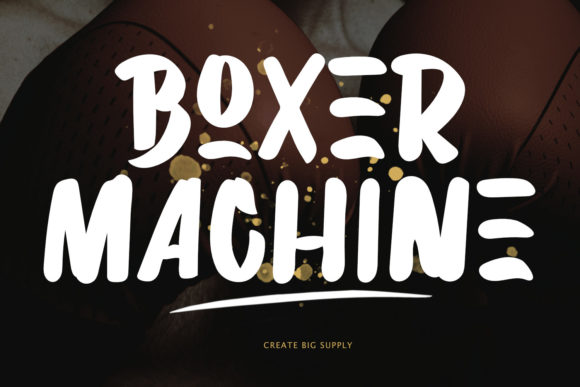
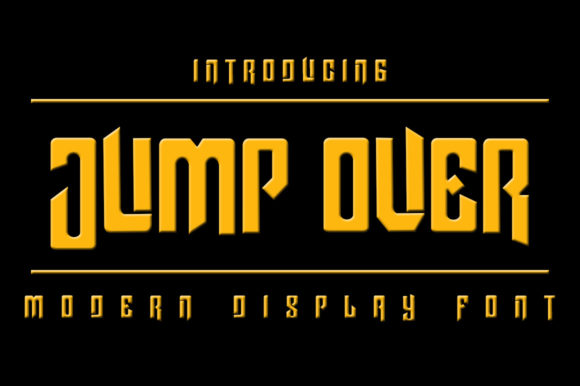
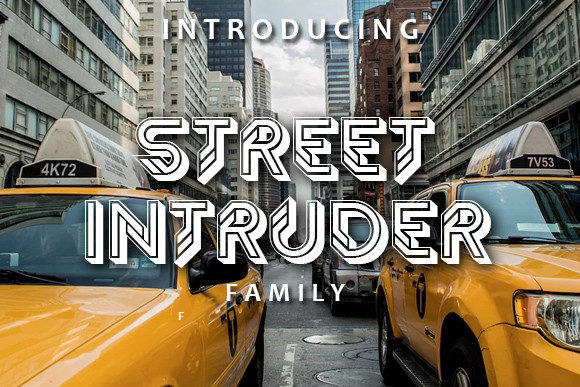
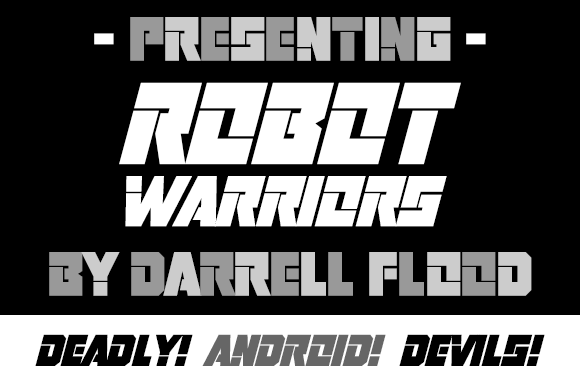
What makes Chunky distinct from other bold fonts is its character design. The curves are often softened yet substantial, and the terminals (the ends of strokes) are treated with intention rather than uniformity. This gives the text a hand-crafted feel, even though it is a digital typeface. It bridges the gap between corporate professionalism and playful creativity.
When you use Chunky, you are signaling confidence. In typography, weight equals importance. By choosing a heavier weight family, you tell the reader, "Look here." However, unlike Helvetica Neue Black, which can feel cold and industrial, Chunky retains warmth. Its slightly irregular proportions add a human touch, making it ideal for brands that want to appear approachable yet strong.
Key Characteristics
- High Legibility: Despite its size, the open counters (the empty spaces inside letters like 'e' or 'a') ensure that Chunky remains readable even at small sizes on mobile devices.
- Versatile Weight: It provides enough visual heft to serve as a headline but can be paired with lighter weights for body text without clashing.
- Modern Geometry: The shapes are clean and contemporary, avoiding outdated retro styles unless specifically styled to look vintage.
Creative Applications Across Industries
The beauty of Chunky is its adaptability. It does not belong to a single niche. Instead, it serves as a chameleon that can shift tone depending on context, color, and pairing. Here is how different professionals can leverage its power.
Branding and Logo Design
For small business owners and entrepreneurs, a logo needs to be recognizable at a glance. Chunky works exceptionally well for wordmarks where the name itself is the icon. Because the letters are thick and distinctive, they hold up well when scaled down to favicon size or printed on merchandise like tote bags and coffee cups.
Consider a local bakery or a craft brewery. Pairing Chunky with earthy tones or vibrant neon colors can create an immediate association with quality and fun. The key here is simplicity. Let the font do the talking. Avoid adding excessive graphic elements around a Chunky logo; the shape of the letters should be sufficient to carry the brand identity.
Digital Marketing and Social Media
In the fast-scrolling world of Instagram, TikTok, and LinkedIn, you have less than a second to capture interest. Chunky is your best friend for quote cards, announcement banners, and thumbnail overlays. Its high contrast against backgrounds ensures that your message is read instantly.
Try using Chunky for the primary keyword in your social posts. If you are writing about "Productivity," make those two words massive and bold in Chunky, then use a light, airy sans-serif for the supporting details. This hierarchy guides the eye naturally. Experiment with negative space—let the background breathe around the heavy letters to create a sense of luxury and intentionality.
Editorial and Blogging
Bloggers and educators often struggle with making text engaging. While body text should remain readable, headings provide a chance to inject style. Using Chunky for section headers breaks up long blocks of text and creates visual rhythm. It acts as a pause button for the reader, encouraging them to slow down and absorb the information.
For educators creating slide decks or printable worksheets, Chunky helps emphasize key concepts. When teaching complex topics, highlighting definitions or critical terms in Chunky draws the student's focus immediately. It reduces cognitive load by visually separating important data from explanatory text.
Practical Tips for Implementation
To get the most out of Chunky, you must respect its physical presence. It is a display font, meaning it is designed to be looked at, not necessarily read in paragraphs. Here are some practical guidelines to keep your designs effective and organized.
Pairing Strategies
The golden rule of typography is contrast. Since Chunky is heavy and dominant, pair it with something light and neutral. A simple geometric sans-serif or a classic serif works well. Avoid pairing it with another bold or decorative font, as this will create visual chaos. Think of Chunky as the lead singer and the partner font as the backing vocalist—they support each other, but one takes the spotlight.
Color and Texture
Don't limit yourself to black and white. Chunky handles color beautifully because its solid forms allow gradients, shadows, and textures to interact with the letterforms in interesting ways. Try a subtle gradient fill within the letters to give them depth. Or, experiment with drop shadows that are offset slightly to create a 3D effect. Just ensure that whatever effect you add does not compromise legibility.
Spacing and Kerning
Because the letters are wide and heavy, tight spacing can cause them to merge into an illegible blob. Give Chunky room to breathe. Increase the letter-spacing (tracking) slightly to enhance its modern, architectural feel. Wide tracking adds elegance and sophistication, while tight tracking can feel aggressive and cramped. Test both to see what matches your brand voice.
Common Mistakes to Avoid
Even the best tools can be misused. Here are a few pitfalls to watch out for when working with Chunky.
- Overuse: Using Chunky for entire sentences or long paragraphs will fatigue the reader. Reserve it for headlines, pull quotes, and short phrases.
- Poor Contrast: Placing dark Chunky text on a dark background, or light Chunky text on a busy image, will render it invisible. Always check accessibility standards to ensure sufficient contrast ratios.
- Distortion: Never stretch or skew Chunky to fit a specific space. Its unique character shapes are carefully crafted; distorting them ruins the aesthetic integrity. Resize proportionally instead.
Conclusion: Making Ideas Come Alive
Chunky is more than just a font choice; it is a strategic design decision. It allows you to communicate strength, clarity, and modernity in a single stroke. By integrating this typeface into your workflow, you add a layer of visual authority to your projects. Whether you are launching a startup, updating your blog, or creating educational materials, Chunky provides the structure needed to make your ideas stand out.
Start experimenting today. Take your next headline, your next logo sketch, or your next presentation title and apply Chunky. Notice how the energy shifts. Notice how the viewer’s eye is drawn to the center of the composition. In a world of whispers, sometimes you need to speak loudly. With Chunky, you have the volume control.