Isakuniki: Elevating Visual Hierarchy Through Precision Typography
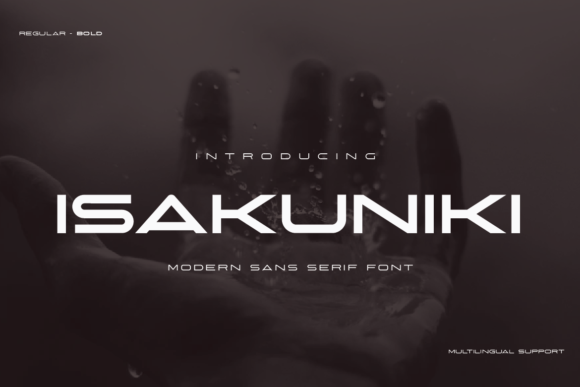
In the landscape of digital and print design, typography is rarely just about legibility; it is about establishing authority, setting a tone, and guiding the viewer’s eye through a structured narrative. For professionals ranging from freelance graphic designers to marketing directors at small businesses, the choice of typeface is often the first critical decision in a project workflow. It dictates how information is processed before a single word is read. This is where Isakuniki enters the equation. As a simple and sharp-looking display font, Isakuniki is designed not merely to be read, but to inspire the structural integrity of your work.
While many fonts attempt to balance readability with aesthetic flair, Isakuniki takes a more decisive approach. Its geometric precision and clean lines make it an ideal candidate for high-impact visual communication. Understanding how to integrate this specific typeface into your broader creative process requires looking beyond its visual appeal and examining its functional utility within design systems, brand identities, and user interfaces.
The Role of Display Fonts in Modern Workflows
Before diving into the specifics of Isakuniki, it is essential to understand the strategic placement of display fonts in professional workflows. A display font serves a distinct purpose: it captures attention at a glance. Unlike body text fonts, which are optimized for extended reading periods, display fonts are meant for headlines, titles, posters, and branding elements where impact outweighs volume.
For entrepreneurs and marketers, this distinction is crucial. When launching a new product or rebranding a service, the visual hierarchy must be established immediately. If the headline font is cluttered or ambiguous, the message gets lost. Isakuniki addresses this by offering a "sharp" aesthetic that cuts through visual noise. Its simplicity ensures that the content remains the focal point, while the typography provides the necessary weight and character to command respect from the audience.
Integrating a display font like Isakuniki into your workflow involves more than just dragging it into a design file. It requires planning. You must consider where the font will live—is it for a website header, a social media banner, or a printed brochure? Each medium imposes different constraints regarding resolution, screen size, and viewing distance. Isakuniki’s clean geometry makes it particularly versatile across these mediums, as its sharp edges render clearly on both high-DPI screens and standard print resolutions.
Designing with Intent: The Aesthetic of Isakuniki
The description of Isakuniki as "simple and sharp" is not just a stylistic observation; it is a functional one. In design theory, simplicity reduces cognitive load. When a user encounters a layout with a complex, ornate font, their brain spends extra energy deciphering the shapes before they can engage with the meaning. Isakuniki bypasses this friction. Its straightforward construction allows the viewer to process the headline instantly, moving them quickly to the supporting content.
Sharpness, in this context, refers to the clarity of the letterforms. There is no ambiguity in the strokes. This characteristic is particularly valuable for tech startups, architectural firms, and modern lifestyle brands that wish to convey efficiency, precision, and forward-thinking values. By choosing Isakuniki, you are making a subconscious statement about the quality of your work. It suggests that you value clarity and have stripped away the unnecessary.
However, the power of Isakuniki lies in its restraint. Because it is a display font, it should be used sparingly. Overusing a strong typographic voice can lead to visual fatigue. The most effective workflow involves using Isakuniki for primary headings, key pull quotes, or logo treatments, while pairing it with a neutral, highly readable sans-serif or serif font for body copy. This contrast creates a dynamic tension that keeps the design engaging without becoming overwhelming.
Pairing Strategies for Consistency
To maximize the effectiveness of Isakuniki, careful consideration must be given to pairing it with complementary typefaces. Since Isakuniki is bold and distinctive, the accompanying font should act as a stabilizer. Here are a few practical approaches to pairing:
- Geometric Sans-Serif Pairing: Combine Isakuniki with a clean geometric sans-serif like Helvetica Now or Futura for the body text. This reinforces the modern, architectural feel of the display font and creates a cohesive, unified brand identity.
- Humanist Contrast: For a softer, more approachable look, pair Isakuniki with a humanist sans-serif like Gill Sans or Open Sans. The warmth of the humanist curves balances the cold precision of Isakuniki, making the design feel friendly yet professional.
- Serif Elegance: In editorial or luxury contexts, a classic serif like Garamond or Playfair Display can provide a sophisticated backdrop. The contrast between the sharp, modern display font and the traditional serif creates a timeless aesthetic suitable for high-end publications.
Implementation Across Digital and Physical Media
One of the challenges creators face is ensuring that a font performs consistently across different platforms. Isakuniki’s simple structure makes it an excellent candidate for cross-platform implementation. Whether you are designing a landing page, an email newsletter, or a physical business card, the font maintains its integrity.
Digital Integration
In web design, performance is key. While Isakuniki is primarily a display font, if you choose to use it for smaller UI elements, ensure that the font file is optimized. Use subsetting techniques to load only the characters you need, reducing page load times. Furthermore, always define fallback fonts in your CSS. If Isakuniki fails to load due to network issues, the site should gracefully degrade to a system sans-serif font rather than breaking the layout.
For mobile-first designs, the sharpness of Isakuniki is beneficial. On smaller screens, intricate details can become muddy. The clean lines of Isakuniki remain crisp even at reduced sizes, ensuring that headlines remain legible and impactful on smartphones and tablets.
Print and Brand Collateral
In the physical realm, Isakuniki shines in large-format applications. Posters, banners, and signage benefit from the font’s ability to hold its shape at scale. When printing, pay close attention to color contrast. Because the font is sharp, low-contrast combinations (such as light gray on white) may lose their definition. Stick to high-contrast palettes to preserve the font’s intended impact.
For stationery and business cards, Isakuniki can serve as a memorable signature element. Use it for the company name or tagline, allowing the rest of the contact information to remain understated. This approach ensures that the recipient remembers the brand name long after they have discarded the card.
Workflow Tips for Creative Professionals
Integrating Isakuniki into your daily workflow requires a systematic approach to asset management and version control. Here are several practices to streamline your process:
- Establish a Style Guide: Document the specific uses of Isakuniki in your brand guidelines. Specify minimum sizes, clear space requirements, and approved pairings. This prevents inconsistent usage across team members and external contractors.
- Organize Font Assets: Keep your Isakuniki files organized in a dedicated library. Include all weights and styles available. If you are working with a team, ensure everyone has access to the correct license and file versions to avoid compatibility issues.
- Test Early and Often: Do not wait until the final stages of a project to evaluate how Isakuniki looks in context. Test the font early in the wireframing or sketching phase. Seeing how the headline interacts with other elements helps you adjust spacing and hierarchy before investing time in detailed design.
- Leverage Templates: Create reusable templates in tools like Figma, Adobe Illustrator, or InDesign that already incorporate Isakuniki. This speeds up production for recurring projects, such as social media posts or weekly newsletters, ensuring consistency without reinventing the wheel.
Long-Term Value and Adaptability
Choosing a font is a long-term investment. Trends come and go, but a well-designed display font like Isakuniki offers enduring value. Its simplicity ensures that it does not feel dated quickly. While overly decorative fonts may look trendy one year and obsolete the next, Isakuniki’s focus on form and function keeps it relevant in evolving design landscapes.
For freelancers and small business owners, this longevity translates to cost savings. You do not need to overhaul your visual identity every time a new design trend emerges. Instead, you can adapt your messaging while keeping the core typographic foundation stable. This consistency builds trust with your audience, who come to recognize and associate the sharp, clean look of Isakuniki with your brand’s reliability.
Conclusion
Isakuniki is more than just a typeface; it is a tool for enhancing communication clarity and visual impact. By understanding its characteristics as a simple and sharp display font, designers and creators can leverage it to create works that truly inspire. Whether you are crafting a brand identity, designing a marketing campaign, or organizing a presentation, integrating Isakuniki into your workflow adds a layer of professionalism and intentionality. Explore its possibilities, pair it thoughtfully, and watch as it elevates the quality of your output.