Blazzar: Redefining Street Aesthetics in Modern Typography
In the rapidly evolving landscape of visual communication, typography serves as more than just a vehicle for text; it is an emotional anchor and a cultural signifier. Among the myriad of typefaces available to designers today, few capture the raw energy of urban culture quite like Blazzar. This brushed, graffiti-styled display font brings a distinct street art vibe to any project, bridging the gap between underground creativity and professional design standards. Whether you are a graphic designer crafting a logo, a marketer developing an advertisement, or a hobbyist creating custom apparel, understanding the nuances of Blazzar can significantly elevate your visual output.
The rise of street art from niche subculture to mainstream design influence has created a demand for fonts that embody authenticity, rebellion, and movement. Blazzar answers this call by offering a versatile toolkit for creators who wish to inject their work with high-impact aesthetics. Unlike traditional serif or sans-serif fonts that prioritize neutrality, Blazzar demands attention. Its character stems from the chaotic beauty of spray paint on concrete, yet it remains structured enough for commercial application. This article explores the technical specifications, practical applications, and strategic advantages of using Blazzar in various design contexts.
The Anatomy of Urban Typography
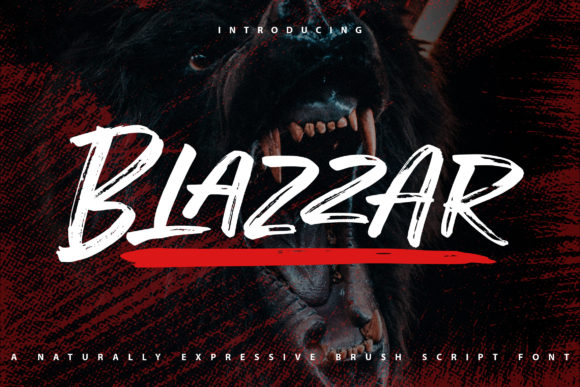
To appreciate Blazzar, one must first understand the typographic elements that define its character. The font is classified as a display typeface, meaning it is designed for large sizes rather than body text. Its primary feature is the "brushed" effect, which mimics the uneven pressure and fluid motion of a real paintbrush. This gives each letterform a sense of organic imperfection, distinguishing it from rigid, geometric digital fonts.
The graffiti styling is not merely decorative; it is functional in conveying attitude. The letters often feature exaggerated curves, sharp angles, and varying stroke weights that suggest speed and spontaneity. When used correctly, these characteristics allow designers to communicate themes of energy, youth, sports, and innovation without relying solely on imagery. For instance, a sports brand might use Blazzar to evoke the adrenaline of a game, while a fashion label might employ it to signal edgy, contemporary style.
Furthermore, the font’s aesthetic aligns with the broader trend of "grunge" and "industrial" design movements. These styles reject polish in favor of texture and grit. By incorporating Blazzar into a layout, designers introduce a layer of visual noise that contrasts effectively with clean, minimalist elements. This juxtaposition creates dynamic tension, making the overall composition more engaging to the viewer. The key lies in balancing the aggressive nature of the font with sufficient negative space and complementary colors to ensure readability.
Technical Advantages and Accessibility
One of the most significant technical benefits of Blazzar is its encoding method. The font is PUA (Private Use Area) encoded, a feature that offers substantial flexibility for designers working within industry-standard software such as Adobe Illustrator, Photoshop, or InDesign. Traditional OpenType features often require specific ligatures or contextual alternates that may not be accessible through standard keyboard inputs. In contrast, PUA encoding allows users to access all glyphs, swashes, and alternative character shapes directly.
This accessibility streamlines the workflow for professionals who need precision and variety. Instead of hunting through complex menus or manually drawing custom letterforms, designers can simply select the desired glyph from the font panel. This ease of access is particularly valuable when creating logos or branding materials where every detail matters. The ability to quickly swap out standard characters for stylized swashes enables rapid prototyping and experimentation, allowing creators to find the perfect visual fit for their concept.
Additionally, the comprehensive glyph set ensures consistency across different platforms and devices. Because Blazzar includes a wide range of symbols and decorative elements, designers can create cohesive visual identities without needing to source additional clipart or icons. This self-contained nature reduces file bloat and simplifies the handoff process between designers and developers. For web projects, while Blazzar is primarily intended for display purposes, its robust structure ensures that it renders sharply at various resolutions, maintaining its gritty charm whether viewed on a mobile screen or a large billboard.
Strategic Applications Across Industries
The versatility of Blazzar makes it suitable for a diverse array of industries, each leveraging its unique characteristics to achieve specific marketing goals. Below are several key sectors where this font shines.
- Fashion and Apparel: T-shirts, hoodies, and sneakers are natural canvases for street-style typography. Blazzar’s bold presence stands out against fabric textures, making it ideal for front prints, back designs, and sleeve accents. Brands targeting younger demographics often use this font to convey authenticity and cultural relevance.
- Sportswear and Fitness: The dynamic lines of Blazzar mirror the physicality of athletic activities. Gyms, running clubs, and sports teams can utilize the font to create posters, jerseys, and merchandise that evoke strength and determination. The aggressive styling resonates with audiences seeking motivation and performance-oriented branding.
- Entertainment and Events: Concert flyers, music festival posters, and movie titles benefit from the high-energy look of Blazzar. The font’s irregular edges and brush strokes add a tactile quality that static images lack, drawing the eye and generating excitement. It is particularly effective for genres like rock, hip-hop, and electronic dance music.
- Food and Beverage: Craft breweries, burger joints, and coffee shops often adopt urban aesthetics to appear trendy and approachable. Blazzar can be used for menu boards, signage, and packaging labels. When paired with rustic imagery or warm color palettes, the font enhances the artisanal feel of products, suggesting handcrafted quality and local roots.
Best Practices for Implementation
While Blazzar is a powerful tool, its effectiveness depends on how it is integrated into a design. Misuse can lead to cluttered, unreadable layouts that alienate viewers. To maximize impact, designers should adhere to certain best practices.
First, consider scale and hierarchy. Blazzar is best suited for headlines, titles, and short phrases rather than paragraphs of text. Using it for body copy can fatigue the reader due to its complex forms and varying stroke widths. Reserve the font for moments where you want to arrest attention, and pair it with simpler, neutral fonts for supporting information. This contrast ensures that the message is clear while still benefiting from the stylistic flair of Blazzar.
Second, pay attention to color and background. The brushed texture of Blazzar interacts differently with various backgrounds. On solid, dark backgrounds, the font appears crisp and modern. On textured or busy backgrounds, it may become lost unless enhanced with outlines, shadows, or contrasting colors. Experimenting with gradients or metallic effects can further accentuate the graffiti aesthetic, adding depth and dimension to the typography.
Third, leverage the swashes and alternate glyphs strategically. Not every letter needs to be replaced with a flourish. Overusing swashes can make a design look amateurish or chaotic. Instead, apply them selectively to emphasize key words or initials. This targeted approach maintains visual interest without overwhelming the viewer. Additionally, consider kerning and tracking carefully, as the irregular shapes of Blazzar may require adjustments to ensure balanced spacing between characters.
Future Trends and Longevity
As digital media continues to dominate, the role of distinctive typography becomes even more critical. With screens displaying billions of images daily, brands need ways to cut through the noise. Blazzar offers a solution by tapping into the enduring appeal of analog aesthetics in a digital world. The nostalgia associated with hand-painted signs and street art provides a human touch that algorithmically generated graphics often lack.
Moreover, the growing emphasis on personalization and customization in consumer goods aligns perfectly with the modular nature of PUA-encoded fonts. As consumers seek unique, one-of-a-kind products, designers will increasingly rely on flexible type systems that allow for endless variation. Blazzar’s extensive glyph library positions it well for this trend, enabling creators to produce bespoke designs that feel exclusive and tailored.
Looking ahead, we may see Blazzar and similar fonts being integrated into augmented reality (AR) experiences and interactive installations. Imagine a retail environment where customers can point their phones at a wall to reveal animated, graffiti-style typography that responds to their movements. Such innovations would push the boundaries of how typography functions, transforming it from a static element into an immersive experience.
Conclusion
Blazzar represents more than just a font; it is a design philosophy that embraces chaos, creativity, and cultural expression. By combining the raw energy of street art with the precision of digital encoding, it provides designers with a unique asset for creating impactful visuals. From t-shirt designs to corporate logos, the applications are limited only by imagination. However, success requires a thoughtful approach that respects the font’s inherent intensity while maintaining clarity and purpose. For those willing to experiment and adapt, Blazzar offers a pathway to memorable, distinctive design that resonates with modern audiences.